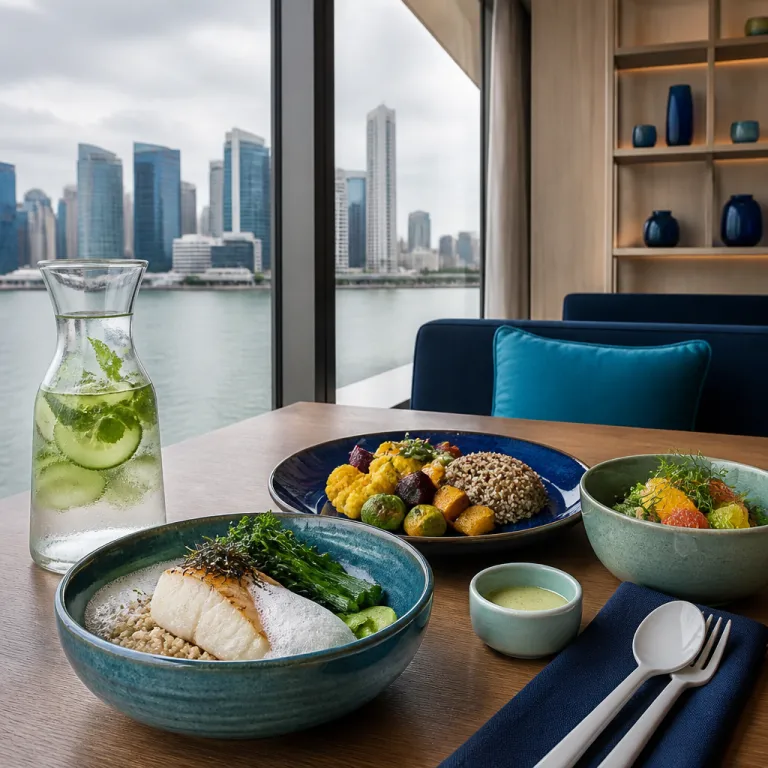
Why wellness dining in Singapore hotels now means functional nutrition
Wellness focused couples booking a stay in Singapore are no longer satisfied with a generic salad on the side of a heavy buffet. Across the city, the new benchmark for any wellness oriented hotel stay is whether the restaurants and bars can serve food that supports sleep, gut health and energy, not just indulgence. When you choose your next room, you are really choosing a nutrition strategy for the entire stay.
Global hospitality groups from the United States to Asia have started redesigning menus with nutritionists, and Singapore’s luxury properties are quietly importing those methods into their own vibrant dining scenes. At The Fullerton Hotel Singapore, for example, the “Healthy Power Breakfast” set pairs egg white omelettes with avocado, grilled tomatoes and fresh fruit, while Capella Singapore’s breakfast menu highlights “gut friendly” yoghurt bowls and cold pressed juices. These touches show how high end operators now treat inflammation, blood sugar balance and long term health as seriously as flavour.
Functional foods are defined as “foods providing health benefits beyond basic nutrition.” Hotels that take this seriously use nutrient tracking software, supplier partnerships and constant customer feedback to refine every dining experience. For a couple planning a wellness focused Singapore staycation, this shift means you can explore the city, enjoy a cocktail bar at happy hour, then return to an award winning restaurant where the culinary journey is designed around what your body actually needs.
How Singapore hotels are rewriting the breakfast playbook
The clearest sign of change appears at breakfast, where the traditional chafing dish line now shares space with cold pressed juice stations and probiotic corners. In a serious wellness led hotel, you will see superfood bowls, gut friendly yoghurt, turmeric shots and fresh fruit laid out as carefully as the pastries. Couples who used to skip hotel breakfast for the kopitiam downstairs now linger longer, because the morning spread finally respects both taste and recovery.
Many luxury properties in Singapore are quietly piloting functional nutrition menus at breakfast before rolling them into all day dining experiences. At Marina Bay Sands, the Rise breakfast buffet marks lighter, plant forward dishes and offers made to order egg white options, while Shangri-La Singapore’s Line restaurant labels items that are higher in fibre or protein. You will notice clear tags for anti inflammatory choices, pan Asian dishes cooked in olive oil or ghee instead of generic vegetable blends, and protein rich plates that feel more like a nutritionist’s plan than a buffet free for all.
For couples travelling with children or planning future family stays, this breakfast revolution connects directly with broader wellness programming across the city’s hotels. Some properties now pair nutrient dense breakfast options with breathing or movement classes, similar in spirit to the family focused wellness programmes highlighted in this guide to teaching children to breathe before breakfast. When you evaluate a wellness oriented Singapore hotel, look closely at the morning details, from the fresh seafood on the ice bar to the herbal tea station located beside the coffee machines.
Room service, minibars and in room wellness dining for couples
Once you close the door of your room, the real test of a health conscious hotel stay in Singapore begins. Traditional minibars still lean heavily on sugary snacks and generic wine, which can undo an entire day of careful eating. The more forward thinking properties now curate sleep promoting snacks, herbal teas and protein focused options that match the functional nutrition philosophy downstairs.
Look for hotels where room service menus include both indulgent comfort food and clearly marked functional dishes, designed with nutritionists or chefs experienced in macro balanced cooking. At some Singapore properties, you will now see menu sections labelled “Light & Energising” or “Sleep Support,” featuring items such as grilled salmon with quinoa and steamed greens, or chamomile infused oat bowls with nuts and seeds. When a property talks openly about menu redesign, nutritional analysis and partnerships with local farmers, you can expect a more thoughtful in room dining experience.
For couples planning a romantic wellness focused staycation, this in room layer matters as much as the spa. Imagine returning from an evening walk through the city, ordering a pan Asian bowl rich in turmeric and ginger, then sharing an adaptogenic dessert on the sofa with a skyline view. When guests enjoy this kind of private dining, supported by a minibar stocked with coconut water, nuts and herbal infusions, the room itself becomes part of your wellness routine rather than a temptation to break it.
Where to find functional nutrition on Singapore hotel menus
Not every luxury address in Singapore has fully embraced functional nutrition, so you need to read between the lines of each dining description. Properties around Marina Bay and the civic district often highlight their award winning restaurants and bars, but only some explain how they integrate nutrient dense dishes or more considered cooking oils. When you scan the details, look for mentions of fresh seafood, plant forward pan Asian menus and collaborations with health experts.
Hotels near Raffles Place and the river tend to lean into business dining, yet several now offer wellness focused set menus at lunch and lighter options at the cocktail bar in the evening. You might see a vibrant dining area where guests enjoy cold pressed juices at breakfast, then adaptogenic mocktails during happy hour, all within the same open daily restaurant. In these spaces, the bar team and kitchen work together so that what is poured into your glass supports the same goals as what arrives on your table.
Neighbourhood properties in areas like Tiong Bahru or Robertson Quay often have a stronger sense of place, weaving local ingredients into their culinary journey. A wellness minded hotel in these districts may feature poolside dining surrounded by lush greenery, with grilled fresh seafood and turmeric spiced vegetables served beside the water. When a restaurant is located on a quieter street yet still offers a vibrant dining atmosphere, private dining rooms for couples and flexible event space for wellness themed gatherings, you know the commitment runs deeper than marketing.
Designing a couple’s wellness dining itinerary around your stay
Planning a wellness focused staycation in Singapore now means mapping your meals as carefully as your spa appointments. Start by choosing a hotel where the main restaurant, lobby bar and poolside dining area all share the same nutrition aware philosophy. Then build a simple code for yourselves as a couple, perhaps one indulgent meal per day balanced by two functional ones.
At check in, ask for clear information about the restaurants and bars, including which menus highlight functional dishes and which times of day are quieter for a more intimate dining experience. Some hotels will happily walk you through their culinary journey, from afternoon tea with low sugar pastries to a cocktail bar list that features adaptogenic or alcohol free options. When you hear staff speak confidently about ingredient sourcing, nutrient dense cooking methods and how guests enjoy different dining experiences across the day, you can trust the property’s wellness credentials.
Use your stay to rediscover Singapore through a wellness lens, alternating between hotel meals and neighbourhood favourites. You might enjoy an anti inflammatory breakfast with a view of the city, then step out to a hawker centre for lunch before returning for a pan Asian dinner built around fresh seafood and seasonal vegetables. This rhythm lets you discover Singapore again while still using your hotel as a calm, nutrition aligned base rather than a place that pulls you off track.
How to read menus and booking pages like a wellness insider
When you browse a hotel booking website from Singapore, the language around dining often reveals more than the photos. A serious wellness oriented property will talk about functional food menus, nutrient dense cooking and partnerships with nutritionists or local farmers, not just generic international cuisine. Pay attention to how they describe the dining area, whether it is framed as a vibrant dining hub for the city or a calm space located beside lush greenery for slower meals.
Menu sections that highlight fresh seafood, whole grains, plant based pan Asian dishes and low sugar desserts usually indicate a deeper commitment to functional nutrition. Look for phrases about more considered cooking oils, heart health or gut friendly options, which echo the same goals that pushed many hotels to redesign their kitchens. When a restaurant mentions that it is open daily with separate menus for wellness focused lunches, afternoon tea and lighter evening bites at the bar, you can plan your day around those rhythms.
Before you confirm your room, check whether the property offers private dining for couples, flexible event space for wellness themed gatherings and poolside dining that does more than burgers and fries. A hotel that invites guests to discover culinary stories through tasting menus, hosts restaurants and bars that respect both pleasure and physiology, and encourages you to explore the city without abandoning your health goals is the right match. For a deeper sense of how demand is reshaping availability and pricing, this analysis of what record tourist numbers mean for your next booking is essential reading before you lock in dates.
Key figures shaping functional nutrition in hotel dining
- According to a 2023 Global Wellness Institute briefing, wellness tourism reached an estimated US$651 billion in 2022, with food and beverage positioned as a core pillar of the guest experience, encouraging hotels in cities like Singapore to rethink menus around health outcomes. Always consult the latest Global Wellness Institute reports for updated figures.
- A 2022 Deloitte survey on hotel guest preferences reported that roughly 60% of respondents were more likely to return to a property that offered healthier food and beverage options, suggesting that functional nutrition can directly influence loyalty and repeat stays. Exact percentages vary by market and survey wave, so check the most recent Deloitte hospitality insights for current data.
- Hotels that invest in menu redesign, ingredient sourcing and nutritional analysis report higher guest satisfaction scores, as wellness oriented couples feel their dining experiences finally match the quality of the spa and room product. As one executive chef at a Singapore luxury hotel noted in a recent industry panel, “When we started labelling fibre, protein and sugar content on our breakfast buffet, guest feedback scores on dining jumped within a quarter.”
- Industry observers now track “wellness focused dining programmes” as a distinct category, indicating that what began as a niche preference has become a measurable trend in luxury hospitality. A typical case study sees a hotel pilot a labelled, nutrient dense breakfast corner for three to six months, extend those principles to its all day restaurant once guest response is positive, and finally update room service and minibar offerings so that every dining touchpoint reflects the same functional nutrition philosophy.
FAQ about functional nutrition at hotel restaurants
What exactly are functional foods on a hotel menu ?
Functional foods are defined as “foods providing health benefits beyond basic nutrition.” On a hotel menu in Singapore, this usually means dishes designed to support specific outcomes such as better sleep, improved digestion or reduced inflammation. Look for clear labels, whole ingredients and cooking methods that avoid excessive sugar, refined flour or heavily processed oils.
How can I tell if a Singapore hotel really offers wellness dining ?
Read the restaurant descriptions carefully and look for mentions of nutrient dense dishes, collaborations with nutritionists and more thoughtful cooking fats. A genuine wellness focused property will explain how its menus support health, not just list international cuisines. You can also email the hotel to request sample menus or nutritional details before booking.
Are seed oils still common in hotel kitchens ?
Many hotel kitchens worldwide still rely on seed and vegetable oils because they are inexpensive and stable, but some luxury groups have started to reduce or replace them with alternatives such as olive oil, avocado oil or ghee. When you care about inflammation and heart health, it is worth asking your Singapore hotel how they cook their pan Asian and seafood dishes.
What should couples prioritise when choosing a wellness dining hotel in Singapore ?
Focus on three layers : breakfast, in room options and the main restaurant. You want a breakfast spread with probiotic choices and fresh produce, a minibar and room service menu that support sleep and recovery, and at least one restaurant where the culinary journey is designed around functional nutrition. If all three align, the stay will feel coherent rather than like a series of mixed messages.
Can I still enjoy cocktails and desserts on a functional nutrition focused staycation ?
Yes, the goal is to make indulgence more intelligent, not to remove pleasure. Many Singapore hotel bars now offer lower sugar cocktails, alcohol free options and desserts built around fruit, dark chocolate or nuts instead of heavy cream and refined sugar. By alternating these with more functional meals, couples can enjoy the city and the hotel while still feeling energised the next morning.