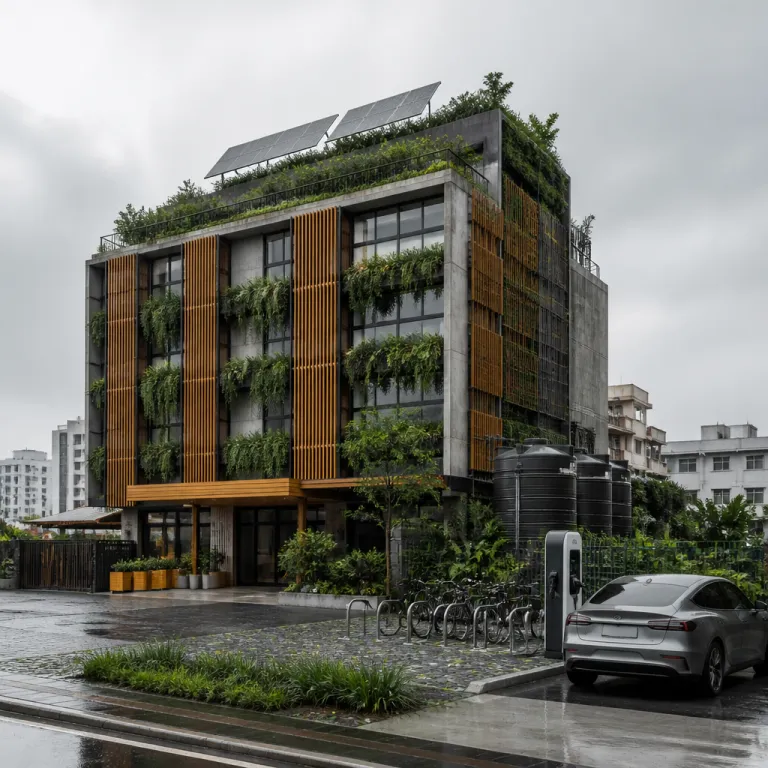
Reading the eco badge: what luxury travelers in Singapore should really look for
When you search for an eco friendly hotel Singapore staycation, the glossy green leaf icon on a booking page can feel reassuring. Many hotels in Singapore now talk about sustainability, but only some back those claims with audited sustainable practices that genuinely reduce energy use, water consumption and waste. For a traveler used to weighing up a hawker centre queue, the same instinct should apply to hotels Singapore wide, especially when you are paying luxury rates.
The Singapore Tourism Board and the Singapore Hotel Association created the Hotel Sustainability Roadmap to push every luxury hotel Singapore wide towards credible certification. That roadmap targets 60% of all Singapore hotel rooms to be certified by 2025 and 100% by 2030, so you will increasingly see references to the Global Sustainable Tourism Council and to local schemes such as Green Mark on property websites. According to the official roadmap summary, these milestones are tied to Singapore’s Green Plan 2030, which means certification is tracked and reported rather than left to marketing teams. The key is learning how to separate a real sustainability journey from a marketing line about being eco friendly and friendly to the planet, using data and third party verification rather than slogans.
Start with certification logos, because they are the first filter for any eco conscious hotel option in Singapore. The Global Sustainable Tourism Council (GSTC) certification is described as “a global standard for sustainable tourism” and it requires independent audits of sustainable practices across energy, water, waste management and community impact. When a Singapore PARKROYAL property or a Pan Pacific address claims alignment with GSTC recognised standards, you should be able to click through to a public sustainability report that details how they reduce carbon footprint and manage food waste, often with figures on percentage energy savings or tonnes of waste diverted. If you cannot find that documentation, treat the claim as a prompt to ask more questions before you book.
From plastic straws to plant rooms: tangible versus token sustainability
Not every green gesture carries the same weight, and that is where greenwashing creeps into the eco friendly hotel Singapore conversation. Removing plastic straws or offering guests the option to skip daily linen changes can be helpful, but these moves barely touch a hotel’s overall carbon footprint or energy consumption. The real work happens in back of house spaces that most guests never see, where boilers, chillers and waste management systems quietly determine whether a property is truly eco friendly and aligned with serious climate targets.
Look at how a Singapore hotel handles water and waste, because those two areas reveal seriousness very quickly. Properties that invest in rainwater harvesting, grey water recycling and advanced food waste digesters are usually far along their sustainability journey, especially when they publish data on how much water they save or how much food waste they divert from landfill each year. For instance, some hotels Singapore wide report cutting potable water use by more than 20% and diverting over 100 tonnes of organic waste annually through on site digesters or composting partnerships, figures that often appear in annual sustainability or ESG reports.
Some of the most persuasive examples sit within the luxury segment, where expectations for comfort and service are highest. PARKROYAL properties, for instance, have turned sustainability into a design language, and PARKROYAL Collection Pickering is often cited for its lush sky gardens and integrated waste management technology. The hotel’s own sustainability communications highlight on site waste segregation, food waste treatment and partnerships with recyclers. If you want to understand how leading hotels in Singapore are rethinking rubbish chutes and recycling rooms, read our guide to luxury hotels leading sustainable waste management before you book your next hotel Singapore escape.
Case study: PARKROYAL Collection Pickering and the rise of biophilic, energy efficient design
For many eco minded travelers, PARKROYAL Collection Pickering has become shorthand for an eco friendly hotel Singapore experience that feels both futuristic and grounded in the city. The building’s cascading greenery and sky gardens are not just Instagram backdrops, because they help shade the façade and reduce cooling loads in Singapore’s equatorial heat. According to figures shared in the project’s Green Mark documentation and architectural case studies, the greenery and façade design can cut solar heat gain by up to 50%, which directly lowers energy demand for air conditioning.
The hotel’s design leans heavily into biophilic principles, which connect guests to nature through plants, natural materials and daylight. Those lush terraces are irrigated with carefully managed water systems, and the property uses smart controls to optimise energy use across guest rooms and public spaces. When a Singapore PARKROYAL address like this talks about sustainable practices, it usually means investments in chillers, sensors and building management systems rather than a single eco friendly amenity kit, with several published sources citing energy savings of around 20% compared with conventional buildings of a similar scale.
For a solo explorer based in Singapore, the question is how this translates into your stay. You might notice motion controlled corridor lighting, efficient air conditioning that still keeps the room cool and a breakfast buffet that highlights local food with lower transport related carbon footprint. You may also see signage explaining how the sky gardens and rainwater systems work, which helps you connect the design to real resource savings. If you are comparing Orchard Road options, our review of sustainable hotels in Orchard for refined eco conscious stays explains how properties like Pan Pacific Orchard use Green Mark Platinum standards to balance luxury with measurable sustainability.
Marina Bay to Orchard: how to decode certifications at Singapore’s flagship luxury hotels
When you look across Marina Bay, the skyline reads like a roll call of global brands promising an eco friendly hotel Singapore experience. Marina Bay Sands, the Pan Pacific group and the various PARKROYAL Collection addresses all reference sustainability in their marketing, but the depth of their commitments varies. As a guest, you need a quick way to read between the lines before you lock in a non refundable rate, especially when properties claim carbon neutral operations or net zero pathways.
Start by checking whether the hotel lists GSTC aligned certification, Green Mark ratings or schemes such as EarthCheck on its website. Some properties near Marina Bay and in the wider bay area have achieved high Green Mark scores by investing in energy efficient chillers, double glazed façades and advanced rainwater harvesting systems that reduce potable water use. Others, including several Pan Pacific and PARKROYAL Collection hotels, publish annual sustainability reports that detail energy, water and waste data, which is a strong signal that their sustainability journey is more than a slogan and allows you to compare metrics year on year.
Singapore’s Hotel Sustainability Roadmap, driven by the Singapore Tourism Board and the Singapore Hotel Association, aims for a majority of hotel rooms to carry credible certification. That push has encouraged hotels Singapore wide, from marina facing icons to quieter city properties, to formalise their sustainable practices and track their carbon footprint. When you compare a Singapore hotel in Marina Bay with a sister property in Kuala Lumpur, look for the same level of transparency on energy use, water savings and food waste reduction, because serious brands apply consistent standards across borders and often reference GSTC or EarthCheck benchmarks.
How to book smarter: a Singapore local’s checklist for genuinely sustainable stays
Choosing an eco friendly hotel Singapore stay is easier when you approach it like choosing your favourite kopitiam, with a mix of instinct and hard evidence. Before you book, scan the hotel website for a dedicated sustainability section that explains specific sustainable practices rather than vague green promises. Then cross check those claims against recognised certifications and, where possible, independent audits or reports that show concrete numbers on emissions, water and waste.
Pay attention to how the property talks about energy, water and waste, because those three pillars drive most environmental impact. Serious hotels Singapore wide will mention energy efficient systems, rainwater harvesting, low flow fixtures and structured waste management programmes that include food waste tracking and reduction. When a hotel highlights partnerships with local farm suppliers or a farm to table restaurant concept, that often signals a broader effort to reduce carbon footprint through shorter supply chains and seasonal food menus, sometimes backed by targets such as sourcing 30% of produce from local or regional farms.
Price still matters, especially for a solo explorer planning multiple staycations across Singapore and perhaps a side trip to Kuala Lumpur. Our guide to what SGD 500 a night actually buys you in Singapore breaks down how much of your rate at a luxury hotel Singapore property tends to support green infrastructure versus pure branding. When you weigh up a marina facing icon, a park linked address or a Pan Pacific tower, use that lens to choose the hotel that aligns with both your values and your budget, and favour properties that publish clear sustainability metrics alongside room rates.
FAQ
How can I verify a hotel’s eco friendly status in Singapore ?
The most reliable way to verify an eco friendly hotel Singapore claim is to look for recognised sustainability certifications and supporting documentation. Check whether the property references the Global Sustainable Tourism Council, Green Mark or similar schemes, then see if it publishes a sustainability report with data on energy, water and waste. You can also cross check the hotel name on the certification body’s website to confirm that the listing is current and valid, and note the year of certification or most recent audit.
What is the GSTC certification and why does it matter for hotels ?
The Global Sustainable Tourism Council sets international standards for sustainable tourism that cover environmental, social and management criteria. When a Singapore hotel or a group such as Pan Pacific or PARKROYAL Collection aligns with GSTC recognised standards, it means the property has undergone independent assessment rather than self declared green marketing. For travelers choosing hotels Singapore wide, that logo signals a structured sustainability journey rather than a single eco friendly initiative, and it often sits alongside other labels such as EarthCheck or Green Mark.
Why is hotel sustainability important for a Singapore based traveler ?
Hotel sustainability matters because large properties consume significant energy and water and generate substantial waste, especially in dense urban areas such as Marina Bay and Orchard. When you choose an eco conscious stay in Singapore, you support investments in energy efficient systems, rainwater harvesting and food waste reduction that lower the overall carbon footprint of tourism. Over time, those choices encourage more hotels to adopt serious sustainable practices rather than superficial gestures, and help Singapore meet its national climate and resource efficiency targets.
What should I prioritise when comparing green features at luxury hotels ?
Focus on the big impact areas first, such as energy efficient cooling, water saving technologies and comprehensive waste management that includes food waste tracking. Certifications, published data and long term targets are stronger signals than single use plastic bans or optional towel reuse cards. If a hotel in Singapore or even in Kuala Lumpur can explain how it plans to reduce emissions and resource use over several years, it is usually more committed than a property that only lists a few friendly green tips for guests, and you can use those plans to compare brands across different neighbourhoods.
How does Singapore’s Hotel Sustainability Roadmap affect my booking choices ?
The Hotel Sustainability Roadmap created by the Singapore Tourism Board and the Singapore Hotel Association sets clear targets for the proportion of certified hotel rooms in the country. As more hotels Singapore wide seek certification to meet those goals, you will see a wider range of eco friendly hotel Singapore options across different price points and neighbourhoods. That means you can prioritise both location, whether Marina Bay or Orchard, and credible sustainability when choosing your next stay, without feeling forced to compromise on comfort or service.