Why Singapore is the quiet capital of smart hotel technology
Singapore has become a discreet laboratory for smart hotel technology, especially at the luxury end. In a city where the hospitality industry already runs with airline-like precision, the most advanced properties now use digital tools to remove friction rather than add spectacle. For a traveler based here, that means your next hotel staycation can feel as streamlined as your favourite mobile wallet.
Across the city, hotel chains and independent properties treat innovation as infrastructure, not decoration. Behind the polished lobbies, hotel operations teams are testing hospitality platforms that link property management systems, revenue tools and guest experience software into a single, integrated tech stack. The goal is simple yet ambitious, using live data to make every interaction feel both efficient and quietly personal.
For business leisure travelers, this shift changes how you choose hotels and resorts for both meetings and weekends. Smart hotels in Singapore now compete less on the size of the rooftop pool and more on how seamlessly their digital solutions handle your booking, your mobile check-in and your expense report. The most effective setups free staff from repetitive tasks so they can focus on the human side of hospitality.
Two properties illustrate how far this has already gone in Singapore’s tourism landscape. According to the hotel’s own announcements, Orchard Hotel Singapore has rolled out an AI concierge in hundreds of rooms, while Pan Pacific Singapore has automated the humble minibar so it restocks itself without a single form to sign. These are not gimmicks for a press release; they are operational upgrades that change how guests move through the hotel from arrival to late-night room service.
For a Singapore-based traveler, this matters because you already know the neighbourhoods and the hawker centres. What you want from smart hotel technology in Singapore is not a robot selfie but a hotel that understands when you land from a red-eye, when you need a quiet room for a call and when you want a late checkout before heading home to Bishan. As one frequent guest at a CBD property put it after a weekend stay, “The tech just disappeared into the background, but somehow the staff still knew I always need a 4 p.m. checkout.” The best digital hospitality solutions now make that level of anticipation feel almost normal.
AI concierges, keyless rooms and the new front desk dance
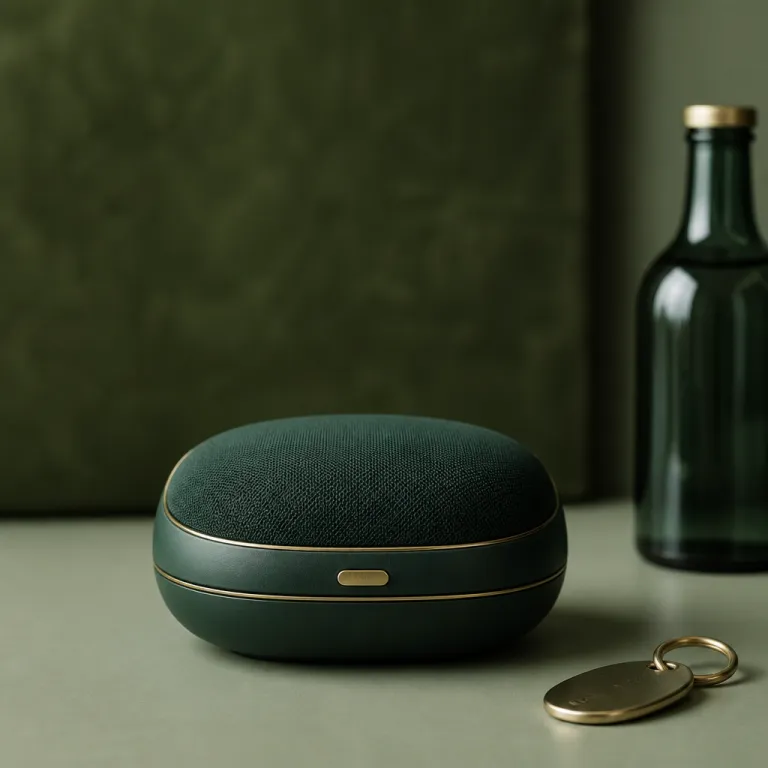
Walk into Orchard Hotel Singapore today and the first sign of smart hotel technology in action is not a flashy robot in the lobby. Instead, you notice how quickly the digital check-in process moves, how your keyless room access appears in the app before you reach the lift and how the Aiello Voice Assistant waits quietly on the bedside table. This AI concierge, branded as Aiello Voice Assistant (AVA), now sits in hundreds of rooms based on hotel communications and has become part of its everyday service toolkit.
Guests speak naturally to AVA to adjust smart room settings, request extra towels or ask for restaurant recommendations around Orchard Road without picking up a traditional phone. The system feeds anonymised data back into the hotel’s technology platform, helping management refine operations and guest experience flows over time. For the guest, the experience feels almost casual, yet it is driven by a complex group of management systems, third-party integrations and hospitality tools working quietly in the background.
Keyless entry is where many Singapore hotels now start their digital transformation, because it solves a universal pain point. Some hotels, like Orchard Hotel, provide mobile keys that let guests skip the front desk queue entirely and head straight to their room after a long day in meetings. For a business leisure traveler extending a trip, that means you can land at Changi, clear immigration, reach the hotel and be under the rain shower in minutes rather than waiting behind a tour group.
Pan Pacific Singapore takes a different angle on smart hotel innovation, focusing on operational efficiency that guests feel indirectly. Its Wi-Fi-enabled automated minibar system, described in the hotel’s own materials, tracks consumption in real time across hundreds of rooms, sending information straight into the hotel’s management dashboards. The minibar that restocks itself is not just a party trick; it is a way to reduce manual checks, minimise errors and ensure your cold drink is actually there when you want it.
For travelers comparing hotels and resorts in Singapore, these details now sit alongside club lounge access and breakfast quality. If you are planning an all-inclusive-style city stay, look for properties that combine strong hospitality technology with thoughtful human service, similar to the refined approach highlighted in this guide to elegant ways to enjoy all inclusive resorts in Singapore for your next city stay. The smartest hotels use AI concierges, keyless rooms and automated systems to give staff more time for genuine guest experiences, not less.
Inside the smart room: voice, tablets and the minibar that thinks
The real test of smart hotel technology in Singapore happens once you close the door and drop your bag. In a well-designed smart room, you should be able to set the lighting, temperature and curtains without hunting for mysterious switches or calling the front desk. Orchard Hotel’s Aiello Voice Assistant shows how voice-driven hospitality tools can make that feel intuitive, especially when you arrive jet-lagged from Tokyo or Sydney.
Smart hotels across the city now mix voice control, bedside tablets and mobile apps to create layered digital experiences that suit different guest preferences. Some guests love speaking to AI speakers to queue up music or request a late turndown, while others prefer a discreet tablet that controls every room function with a single swipe. The best setups remember your choices across stays, using real-time data to pre-set your favourite temperature or pillow type before you even reach the room.
Pan Pacific Singapore’s automated minibar system is a quieter example of intelligent hotel infrastructure, but it changes both guest experiences and back-of-house routines. Sensors linked through Wi-Fi track when an item leaves the shelf, sending an instant alert to management systems so the bar can be restocked without a manual checklist. For the guest, that means fewer awkward conversations about what was or was not consumed, and for the hotel, it means more accurate revenue management and less time spent on repetitive tasks.
Business leisure travelers often care less about theatrical robots and more about whether the room supports their working rhythm. A genuinely smart hotel will offer strong digital infrastructure, from fast Wi-Fi to plenty of charging points, alongside quiet design choices like sound-insulated doors and ergonomic desks. When these elements are tied together through a coherent tech stack, the room becomes a flexible base for both Zoom calls and late-night Netflix, not just a place to sleep.
If you are planning a day stay between meetings in the CBD, look for properties that apply smart hotel technology to short stays as thoughtfully as to overnights. A refined option is highlighted in this review of a refined day stay at Tanjong Pagar, where digital check-in and efficient hotel operations matter as much as the room itself. For locals, these smart room features can turn an ordinary workday into a quietly luxurious pause in the middle of the city.
From back of house to your breakfast table: how data quietly shapes service
Behind every seamless smart hotel moment in Singapore sits a web of management systems and data flows that most guests never see. Hotel technology vendors talk about tech stack architecture, but what matters for you is how well those systems talk to each other in real time. When they are aligned, the result is a guest experience that feels uncannily attentive without ever tipping into surveillance.
In practice, this means your preferences from previous stays at certain hotels can inform how the team prepares your next room, from pillow type to minibar contents. A well-integrated group of hospitality solutions can pull information from the property management system, the CRM and even restaurant reservations to anticipate needs before you voice them. For example, if you always book a late breakfast slot after a red-eye arrival, the hotel can quietly avoid scheduling housekeeping during that window.
Revenue management teams also benefit from smart hotel platforms, because they can see demand patterns and guest behaviours with far more granularity. Instead of relying on broad tourism trends, they can analyse data by segment, from business leisure travelers to weekend staycation couples, and adjust offers accordingly. When done well, this data-driven approach can mean better value packages for locals, not just higher rates during peak events.
The hospitality industry in Singapore is also using digital tools to streamline restaurant and bar operations, which you feel every time breakfast service runs smoothly. Digital ordering systems, integrated POS platforms and AI-assisted forecasting help hotel restaurants staff correctly, reduce food waste and keep that eggs station moving. For guests, the benefit is simple: less queuing, hotter food and staff who have time to chat about the neighbourhood instead of wrestling with printers.
For a deeper sense of what your nightly rate actually buys in this kind of smart environment, it is worth reading this analysis of what SGD 500 a night actually buys you in Singapore in 2026. Smart hotel technology plays a growing role in that value equation, especially when it comes to operational efficiency and service consistency. As a traveler based here, you can use that knowledge to choose hotels where the tech genuinely enhances your stay rather than just padding the marketing brochure.
Balancing robots and real people: what smart really means for Singapore travelers
Not every piece of smart hotel technology deserves a place in your next staycation. Some robotic room service carts still feel like novelties, charming for a selfie but slower than a human server who knows your usual order. The most sophisticated hotels now treat automation as a way to give staff more time for meaningful guest interactions, not as a replacement for human hospitality.
When you evaluate smart hotels in Singapore, pay attention to how staff talk about their systems rather than just the hardware on display. If a vice president of operations or a front office manager can explain how their digital tools reduce repetitive tasks and improve guest experiences, you are likely in good hands. The strongest hotel chains invest in training their teams so that technology supports, rather than overshadows, genuine service culture.
For business leisure travelers, the sweet spot is a hotel where digital checkout, automated folios and integrated expense reporting work flawlessly, while the concierge still remembers your name and your kopi order. Smart hotel technology in Singapore should make it easier to extend a business trip into a relaxed weekend, not bury you in apps and QR codes. Look for properties where staff seem comfortable switching between tablets and traditional conversation, because that usually signals a mature approach to innovation.
Singapore’s position as a regional hub means many hotels here pilot new hospitality solutions before they roll out across Asia. AI integration in guest services and automated back-of-house processes are already part of daily life in several properties, and the expected impact is a steady elevation of service standards citywide. As one industry summary puts it, “Orchard Hotel Singapore offers Aiello Voice Assistant” and “Pan Pacific Singapore features automated mini-bars,” highlighting how specific technologies are becoming reference points.
For you, the traveler who already knows where to find the best bak kut teh at dawn, the smartest move is to choose hotels where technology fades into the background once you are checked in. Smart hotel innovation works best when it lets you focus on the view from your room, the quiet of the pool at midnight and the simple pleasure of walking out to your favourite kopitiam for breakfast. In that balance between digital precision and human warmth, Singapore’s smartest hotel stays are quietly setting a new regional benchmark.
FAQ: smart hotel technology in Singapore
Which Singapore hotels currently use AI concierges in guest rooms ?
Orchard Hotel Singapore has implemented the Aiello Voice Assistant in hundreds of rooms, according to hotel statements, giving guests an AI concierge for requests and information. This system allows voice control of certain smart room features and direct communication with hotel operations teams. Other hotels are testing similar hospitality technology, but Orchard Hotel remains one of the most visible examples today based on public announcements.
Are there Singapore hotels with keyless entry and fully digital check in ?
Several upscale hotels in Singapore now offer keyless entry through mobile apps, allowing guests to bypass the front desk queue. Some properties, including Orchard Hotel, combine this with digital check-in so your room key appears on your phone before arrival. When booking, look for mentions of mobile keys or app-based access in the hotel’s description of its technology solutions.
Where can I find a hotel with an automated self restocking minibar in Singapore ?
Pan Pacific Singapore has installed Wi-Fi-enabled automated mini bars across a large number of rooms, as described in its own materials, creating a minibar that effectively restocks itself. Sensors track consumption in real time and send data to the hotel’s management systems, improving both accuracy and efficiency. Guests benefit from fewer billing disputes and a higher chance that their preferred drinks are available.
How does smart hotel technology affect privacy for guests ?
Smart hotel systems rely on data, but reputable hotels anonymise and secure this information within their management platforms and follow local regulations. Details are typically used to improve operations and guest experience, such as remembering pillow preferences or arrival times, rather than to build intrusive profiles. If you have concerns, you can always ask the front desk how your data is stored, how long it is kept and whether any features, such as voice assistants, can be muted or disabled during your stay.
Is smart hotel technology mainly useful for business travelers, or also for staycations ?
While business travelers benefit from faster check-in, automated checkout and integrated expenses, staycation guests also gain from smart hotel features. Contactless access, responsive smart rooms and efficient restaurant operations all contribute to a smoother leisure stay. For Singapore-based travelers, these technologies can turn a familiar city break into a more relaxed, quietly luxurious experience.