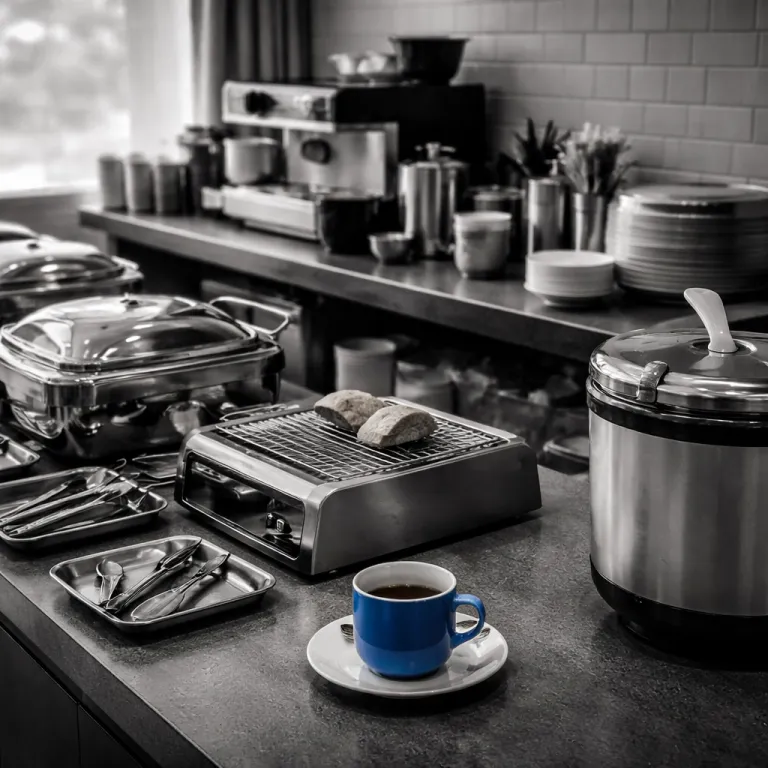
Why hotel breakfast in Singapore still matters when Ya Kun is downstairs
In Singapore, the first decision of your staycation day is simple yet loaded. Do you head down in your robe for a long hotel breakfast buffet, or slip on shorts and walk to the kopitiam for kaya toast and kopi? The main content of any luxury stay now lives or dies by how that first breakfast shapes your time, your mood and your sense of the city.
Hotel guests tell me that “Are hotel breakfasts in Singapore worth the price?” and “Do hotels offer local breakfast options?” sit alongside room size and pool view when they book. Those questions are sharper in a city where a full kopitiam breakfast with toast, soft boiled eggs and strong coffee costs around 5 SGD while the average hotel breakfast cost is closer to 20 SGD, and premium properties often charge between 35 and 65 SGD for a full breakfast buffet. Based on menu checks at central business district hotels and chains such as Ya Kun Kaya Toast and Killiney Kopitiam in March 2024, that gap is real: for example, a kaya toast set with kopi at Ya Kun Raffles Place was listed at 5.20 SGD, while a weekday buffet breakfast at a nearby four star hotel was 42 SGD before tax. When you are based in Singapore and know exactly what a Ya Kun or Killiney set tastes like, any hotel claiming the best breakfast has to justify every extra dollar with more than just food.
That is why serious hotel management now treats breakfast as a strategic course in the guest journey, not a sleepy add on. Properties commission hospitality consultants, run guest surveys and conduct food quality assessments to refine each breakfast buffet, because internal brand reports and regional satisfaction studies in 2023 often show breakfast scores hovering at roughly three quarters of the maximum and they want them higher. The expected impact is clear for any hotel that gets this right in Singapore: higher retention, better reviews and more locals choosing to start day in house rather than skipping straight to the kopitiam downstairs.
The case for the hotel buffet: champagne, food stations and floor to ceiling calm
Walk into The Fullerton Hotel Singapore on a weekend and you understand the appeal of a long hotel breakfast before you even see the food. The light pours through floor to ceiling windows, the river view glows quietly and the first glass of champagne lands on your table while the city outside is still stretching. This is not just about a breakfast buffet; it is about buying time, space and a gentler start day than any crowded kopitiam can offer.
At Shangri-La Singapore, the buffet breakfast is a full scale operation with live food stations that run from delicate dim sum to eggs made to order and local favourites like nasi lemak and laksa. You move from fresh fruit to warm toast, then to trays of pastries and finally to a strong coffee without once queuing behind someone ordering twenty takeaway sets, and that seamless spread is exactly what many families pay for. For a Premium Family traveller, the best mornings are the ones where the children can roam between counters safely while adults linger over multiple breakfasts as separate courses rather than rushing through one plate.
Newer luxury addresses such as The Singapore EDITION lean away from a massive buffet and towards a curated morning menu, but the logic is the same. You sit in a calm room, order a sequence of breakfasts that might start with fruit and yoghurt, move to eggs and toast, then finish with pastries and a final coffee while staff quietly handle the details. If you like this style of stay, you will probably also care about where you swim later, so it is worth keeping a shortlist of rooftop pools and infinity edges that are worth booking a room for before you lock in your reservation.
For travellers who prefer smaller properties with thoughtful layouts, a refined serviced residence such as Citadines Mount Sophia Singapore shows how a modest breakfast included can still feel premium. Here the spread is compact but well edited, with fresh items rotated regularly and a focus on quality over sheer buffet volume. When you already know every kopitiam within 500 metres, that kind of considered breakfast can be the quiet counterpoint to your usual city routine.
The case for the kopitiam: kaya toast, kopi and a different kind of view
Step out of almost any central hotel in Singapore and you are rarely more than a few minutes from a kopitiam that has been serving breakfast longer than many international brands have existed. Ya Kun Kaya Toast, Toast Box and Killiney Kopitiam all offer the classic set of charcoal grilled toast with kaya and butter, soft boiled eggs and thick coffee for a fraction of the price of a hotel breakfast buffet. For many locals, that combination of food, noise and people watching is still the best way to start day in this city.
At a kopitiam, the view is not floor to ceiling glass but aunties wiping tables, uncles reading the paper and office workers grabbing takeaway before the MRT. You trade the polished spread of pastries and imported fruit for something leaner but more rooted in Singapore, where local favourites are not a themed corner but the entire menu. The coffee might come in a chipped cup instead of fine china, yet the flavour and the sense of place can be stronger than anything served in a quiet hotel room.
Price is only part of the story, though the numbers are clear when you compare a 5 to 12 SGD kopitiam breakfast with a 35 to 65 SGD hotel buffet breakfast in the same neighbourhood. What you also buy at the kopitiam is flexibility; you can eat at any time from early dawn, skip main meals later because you are full or treat breakfast as just one course in a longer day of grazing through hawker centres. If you are the sort of traveller who reads detailed guides to in room dining elegance and still chooses to walk downstairs for toast, you already understand that sometimes the richest luxury is simply being in the middle of the city’s everyday rhythm.
Hotels that bridge the gap: hawker style stations and local favourites done right
Some of the most interesting hotel breakfast experiences in Singapore now sit between the full international buffet and the humble kopitiam set. Properties have realised that many hotel guests are comparing every plate of food against the kaya toast downstairs, so they are bringing local favourites into the breakfast buffet with more seriousness. This is where the city’s hospitality scene becomes genuinely exciting for a Premium Family traveller who wants both comfort and authenticity in the same morning.
The Clan Hotel near Telok Ayer is a strong example, offering a Singaporean morning menu alongside international options so you can have congee, soy sauce eggs and toast with kaya without leaving the building. Pan Pacific Singapore has long treated its nasi lemak station as a point of pride, with fragrant rice, sambal and crisp ikan bilis that feel closer to a hawker stall than a generic hotel chafing dish. When hotels commit to these food stations properly, the breakfast included in your room rate starts to feel less like a default and more like a curated tour of the city’s breakfast culture.
Across the city, hotel management teams are using guest surveys, taste tests and price comparisons to refine these hybrid offerings. They know that “What are common items in a kopitiam breakfast?” and “Do hotels offer local breakfast options?” are not abstract questions but daily decisions for travellers who live in Singapore and book staycations often. As more hotels integrate grab and go counters, healthier options and hawker inspired dishes into their spread, the line between a kopitiam breakfast and a hotel breakfast Singapore experience becomes less about food alone and more about how you want to feel in that first quiet hour of the day.
When to eat in, when to walk out: a practical audit for Singapore based travellers
For a traveller already living in Singapore, the smartest approach is not choosing sides but knowing when each option wins. On a rainy morning with children, the ability to pad down in slippers, settle into a warm room and let a buffet breakfast unfold in courses can be worth every extra dollar. On a clear weekday when the city hums outside, skipping the hotel spread and heading to a kopitiam might give you a sharper sense of place than any carefully plated fruit.
Think about your schedule and your energy rather than just the menu details. If you land from a long haul flight and wake at 6 am, a hotel breakfast Singapore experience that starts early, offers strong coffee and a quiet view over the city may be the best way to reset your body clock. On a lazy staycation where the pool is the main attraction, you might prefer a lighter breakfast included, then a proper food tour later, especially if you have already shortlisted rooftop pools and infinity edges that are worth booking a room for and plan to spend serious time there.
Price still matters, especially for families, so do the simple maths across your whole day instead of fixating on one meal. A 60 SGD breakfast buffet that keeps everyone satisfied until mid afternoon can be better value than multiple smaller breakfasts and snacks, while a 10 SGD kopitiam set might be perfect if you plan a big hawker centre lunch. In the end, the best hotels in Singapore are the ones that serve a confident breakfast without pretending the kopitiam downstairs does not exist, leaving you free to choose the spread, the view and the rhythm that suits each morning of your stay.
FAQ
Are hotel breakfasts in Singapore worth the higher price compared with kopitiams?
Yes, hotel breakfasts in Singapore can be worth the higher price if you value variety, space and convenience more than pure cost. You pay for a wider buffet breakfast spread, calmer surroundings, longer opening hours and the comfort of eating in your robe, which many guests consider part of the staycation experience. If you only care about flavour and price, a kopitiam breakfast will usually win, but if you want a slow morning with multiple courses and a city view, a hotel buffet can justify its premium.
What are common items in a kopitiam breakfast in Singapore?
A typical kopitiam breakfast in Singapore includes kaya toast, soft boiled eggs and kopi or teh. Some places add options like curry puffs, simple pastries or local favourites such as mee siam and chee cheong fun. The focus is on quick, affordable breakfasts that still feel rooted in everyday Singapore food culture.
Do hotels in Singapore offer authentic local breakfast options?
Many hotels in Singapore now offer authentic local breakfast dishes alongside international items. Premium properties often include nasi lemak, laksa, kaya toast, congee and other local favourites in the breakfast buffet, sometimes through hawker style food stations that mimic kopitiam counters while keeping hotel level hygiene and comfort. When you book, look for breakfast included packages that mention specific Singapore dishes rather than just “Asian options” in vague terms.
How early do hotel breakfasts usually start in Singapore?
Most large hotels in Singapore start breakfast service between 6.30 and 7.00 am and run until about 10.30 am. Peak time is typically between 8.00 and 9.30 am, when both business travellers and families come down. If you need an even earlier start day, check whether the property offers grab and go items or in room dining breakfasts outside standard buffet hours.
Should I choose a room package with breakfast included or pay separately?
Choose a room package with breakfast included if you plan to eat in the hotel most mornings and want predictable costs. For Singapore based travellers who know they will sometimes head to a kopitiam instead, a flexible approach works best, such as booking breakfast for only part of the stay. Always compare the package price difference with the standalone buffet cost and with what you would realistically spend on kopitiam breakfasts nearby.