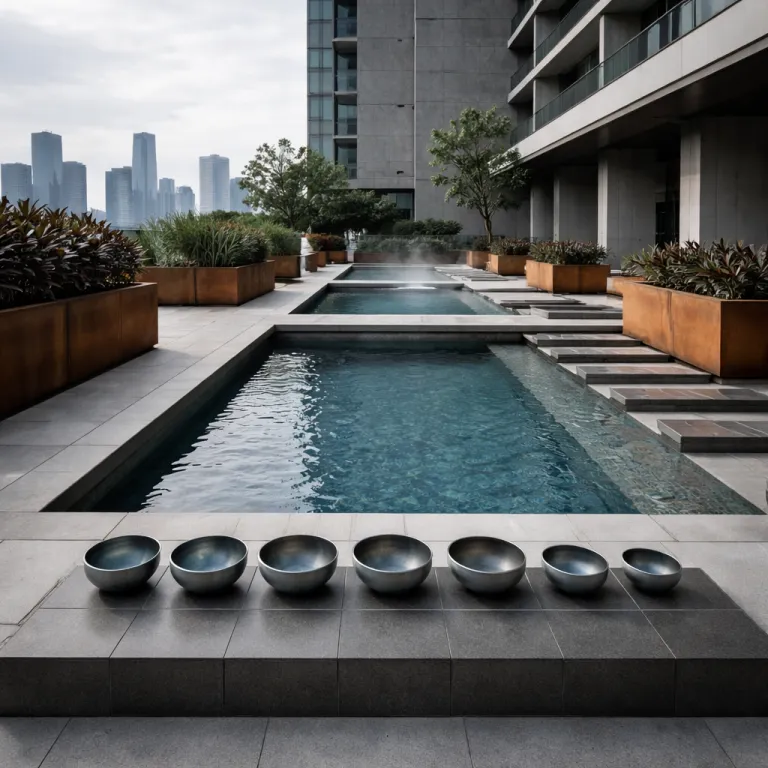
How spa hotel Singapore stays became serious wellness playgrounds
For a couple based in Singapore, a spa hotel Singapore stay is no longer just about a quick massage between shopping runs. The city has quietly built a dense ecosystem of hotel spa concepts, from Japanese style onsen baths to hydrothermal circuits and sound therapy, all designed for urbanites who want real wellness without leaving the city. When you book a hotel Singapore staycation now, you are choosing between very different philosophies of care for the body and mind.
Across Singapore, well over a hundred spa and wellness establishments compete for your attention, and the best hotel spa teams have responded by sharpening their identities rather than copying each other. Some lean into serious wellness with nutrition consultations and structured treatment programmes, while others focus on sensual rituals, vitality pool circuits and steam room sessions that feel like a mini holiday between one hawker meal and the next. For couples, the real question is not which spa Singapore venue looks most luxurious, but which experience fits the way you actually like to spend a night in the city.
Think about how you move through a typical weekend in Singapore before you book any spa hotel Singapore package. If you love late suppers and slow mornings, you will value flexible facility access more than a packed schedule of treatments and classes. If you are training regularly at a fitness centre and using free weights several times a week, you may prefer a hotel with strong gym programming and targeted body treatment options rather than endless lounging by the pool.
Japanese onsen in the tropics: how Yunomori and Elements reset expectations
The most influential shift in spa Singapore culture came from outside the hotel world, when Yunomori Onsen & Spa brought authentic Japanese onsen style baths into the city. This was followed by Elements Wellness, which introduced private Koyamaki onsen tubs that feel almost monastic compared with the usual hotel spa bustle. Together they set a benchmark that every spa hotel Singapore property now has to measure against, especially for couples who want quiet, contemplative time rather than a flashy pool scene.
Yunomori’s onsen pools and sauna zones show how a well designed spa can turn a dense city into a place of deep rest, even when you are only a few MRT stops from home. A typical visit runs for about two to three hours, with weekday onsen access commonly priced around S$40 to S$50 per person, making it easy to treat the space like a mini retreat. Elements Wellness takes that idea further with private rooms where the Koyamaki wood scent wraps around the body, and the treatment sequence feels closer to a ritual than a quick service.
For couples planning a hotel Singapore staycation, it can be smart to pair a night at a central property with a separate onsen session, rather than expecting one place to do everything perfectly. Our review of a new arts district property in Bras Basah shows how some hotels excel at neighbourhood immersion and design, while relying on partners like Yunomori Onsen & Spa or Elements Wellness for deeper wellness experiences. This mix and match approach lets you enjoy the best hotel spa facilities for hydrothermal play, while reserving your most meaningful body treatments for specialists who live and breathe the onsen craft.
Raffles, Ritz Carlton and the rise of the hydrothermal ritual
Among the grande dames, Raffles Singapore and The Ritz Carlton, Millenia Singapore have turned their spa levels into quiet laboratories for hydrothermal therapy. At Raffles Spa, the hydrothermal experience is anchored by a vitality pool, saunas and a carefully calibrated steam room that encourage slow circulation through heat and water. The renovated spa facilities at Raffles hotel feel intentionally cocooned from the city, so that even a short treatment can feel like a full reset.
Raffles Spa is also where the phrase “hydrothermal circuit” stops sounding like marketing and starts to make sense in your own body. You move from vitality pool to steam room, then to cool showers and relaxation spaces, and the treatment becomes less about a single massage and more about a complete experience. The same logic applies at the Ritz Carlton spa in Millenia Singapore, where the hotel spa design uses light, views and water to stretch a 60 minute treatment into an afternoon of wellness.
For couples who like structure, these hydrothermal circuits can be the best way to turn one booked treatment into a half day ritual. Before you book, read hotel reviews that actually detail how long you can use the pool, vitality pool and steam room before and after your appointment, rather than just listing generic spa facilities. Many luxury properties allow at least 60 to 90 minutes of complimentary access around a treatment, and our guide to what frequent guests look for in a Singapore hotel review explains why access rules, not just room size or luxury branding, often determine whether a spa hotel Singapore stay feels generous or constrained.
Sound, singing bowls and the new ritual driven wellness trend
While water remains the backbone of most spa Singapore experiences, the quiet rise of sound therapy has changed how many couples think about relaxation. Tibetan singing bowls now appear in treatment menus from independent operators to luxury spa floors, used for meditative sessions that sit somewhere between massage and guided rest. As one industry explainer from a regional wellness association puts it, “They produce sound vibrations for relaxation and meditation purposes.”
In practice, a singing bowl session in a hotel spa can be a powerful reset for couples who arrive wired from work and city life. The body responds differently to vibration than to touch, and when this is paired with gentle hydrothermal elements such as a warm vitality pool or a mild steam room, the treatment can feel surprisingly complete without heavy pressure. Typical sound based sessions last 45 to 75 minutes, and some properties are starting to build full moon ceremonies and intention setting rituals around these tools, turning a simple night stay into a themed wellness experience that feels almost retreat like.
When you book a spa hotel Singapore package that includes sound therapy, pay attention to how the hotel frames the experience. A serious wellness focused property will explain the sequence clearly, from pre session time in the pool or hydrothermal areas to post treatment rest, instead of treating singing bowls as a quick add on. For couples, this clarity matters more than whether the hotel is branded as the Singapore best address, because the real luxury lies in how thoughtfully your time and attention are handled.
How to choose the right spa hotel Singapore stay for two
Choosing the right spa hotel Singapore staycation starts with a simple question ; do you want to move or melt. If you and your partner enjoy working out together, look for a hotel Singapore property with a serious fitness centre that offers free weights, functional zones and classes, then layer spa treatments on top as recovery. If your shared fantasy is to float between pool, vitality pool and steam room all day, prioritise hotel spa facilities with generous access windows and quiet relaxation rooms.
Location still matters, even when you are not leaving Singapore for your break. A Marina Bay address such as The Ritz Carlton, Millenia Singapore or Carlton Millenia style properties gives you cinematic city views and easy access to evening walks, while a Raffles Singapore stay wraps you in heritage and old world service. Couples who want a more resort like rhythm can look to Sentosa, where our guide to resort stays that earn the ferry ride explains which properties balance beach, spa and city access best.
Finally, think about how you like to book and budget for wellness as a couple. Many Singapore offers now bundle room, breakfast, spa treatments and sometimes credits for future visits, which can be good value if you already know you love a particular luxury spa. For a first visit, you may prefer to book a flexible room only rate, then add a single treatment and pay separately for any extra spa Singapore access, so you can test whether the hotel spa truly suits your shared rhythm before committing to more nights or packages.
FAQ
What is an onsen bath and how does it differ from a hotel hot tub
An onsen bath is a traditional Japanese hot spring bath designed for relaxation and health benefits, with specific etiquette and temperature control. In Singapore, venues such as Yunomori Onsen & Spa and Elements Wellness recreate this experience using carefully heated pools and Koyamaki wood tubs rather than natural springs. A typical hotel pool or hot tub focuses more on casual soaking, without the structured bathing rituals and wellness focus of an onsen style facility.
What are hydrothermal circuits in Singapore hotel spas
Hydrothermal circuits are sequences of water based experiences at different temperatures, usually combining vitality pools, saunas, steam rooms and contrast showers. At properties like Raffles Spa or the Ritz Carlton spa in Millenia Singapore, guests are encouraged to move through these zones in a specific order to stimulate circulation and relaxation. For couples, this turns a single booked treatment into a longer, more immersive wellness experience that can easily fill an afternoon or evening.
How are singing bowls used in spa treatments
Singing bowls are used in spa settings to create sound vibrations that encourage deep relaxation and meditative states. Therapists either place the bowls near the body or gently strike them around the room, allowing the resonance to wash over guests during or after a massage. In Singapore, this technique appears in both independent wellness centres and luxury spa hotels, often as part of ritual based sessions that combine breathwork, light stretching and quiet reflection.
Do I need to book spa treatments in advance for Singapore hotel stays
Advance booking is strongly recommended for popular spa hotel Singapore properties, especially on weekends and public holidays. Many hotels release prime couple treatment slots four to six weeks ahead, and same day availability can be limited for double rooms or suites with private vitality pools. Booking early also lets you clarify how long you can use the pool, steam room and other spa facilities before and after your treatment, which is crucial for planning a relaxed staycation schedule.
How often do people in Singapore typically visit spas
Local wellness operators commonly report that many residents treat spa visits as occasional treats rather than weekly routines, often timing them around birthdays, anniversaries or long weekends. For couples, this makes thoughtful planning even more important. When you only have a few visits a year, choosing the right mix of location, facilities and treatment style can significantly improve the overall value and impact of each stay.