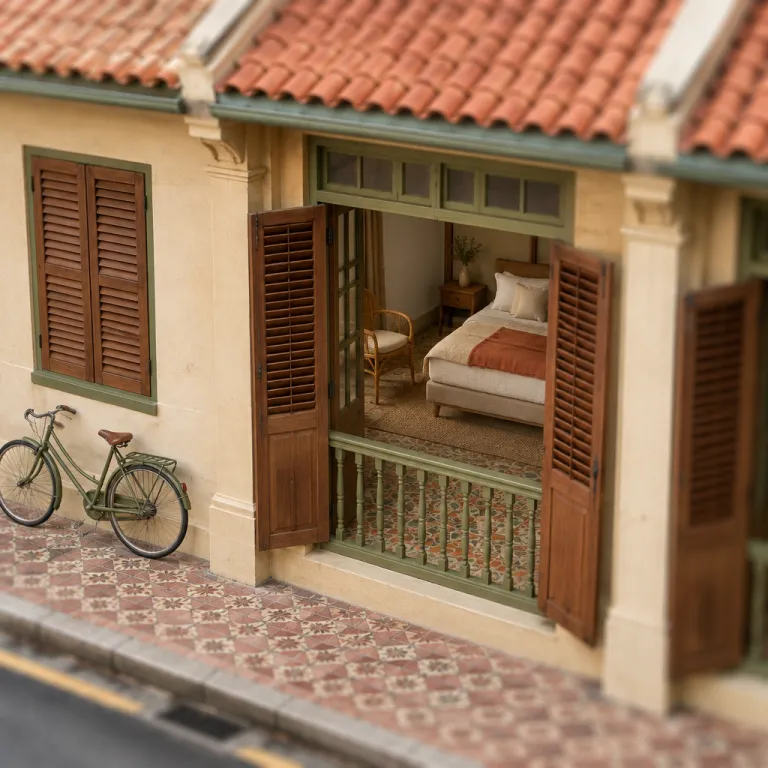
Why a shophouse hotel in Singapore changes how you see the city
Choosing a shophouse hotel in Singapore is less about ticking off amenities and more about how you want to feel when you step inside after a long day. In heritage districts like Chinatown, Kampong Glam and Bugis, conservation-era buildings turned into intimate boutique hotels give you a front row seat to everyday life, from temple bells at dawn to bar drinks clinking after midnight. If you usually book a large hotel near Orchard Road or Sentosa, a night in one of these character stays will feel like switching from widescreen to close up.
Shophouses are traditional buildings with a shop on the ground floor and residence above, and many of today’s small hotels are carved from these conservation properties with surprising grace. Years ago, restoration was mostly about façades, but the best addresses now balance original timber beams, heritage windows and five foot ways with strong showers, quiet air conditioning and a discreet fitness corner tucked behind old walls. This blend of historical charm and modern comfort reflects a wider Singapore cultural push to preserve identity while still feeling like a city that moves at full speed.
The Shophouse on Arab Street and The Sultan in Kampong Glam show how far the city has come in treating these buildings as more than just quaint backdrops. Both properties sit within a wider collection of restored addresses across central Singapore, where local architects and heritage boards have worked together to keep proportions, shutters and tilework intact. For a traveler based in Singapore, this means you can book a stay that feels like a great staycation and a quiet history lesson at the same time.
From Duxton to Chinatown: where character lives in the details
The most interesting heritage hotels in former shophouses cluster in a few compact neighbourhoods, and each area has its own rhythm. Around Duxton and the wider Singapore Duxton enclave, Mondrian Singapore Duxton spreads more than 300 rooms and suites across conserved shophouses and a new tower, using a contemporary “deconstructed shophouse” design that plays with timber screens, courtyards and layered light. You feel the contrast when you step inside from the leafy streets lined with bar after bar, because the hotel offers a cinematic lobby, a confident bar area and a pool deck that looks towards the CBD rather than Sentosa.
Walk ten minutes and you hit Chinatown, where a different style of shophouse-style hotel experience waits among clan houses and kopitiams. The Clan Hotel in Telok Ayer is not housed fully in conservation shophouses, yet its entire narrative leans into Singapore cultural history, from a welcome tea ceremony poured against antique artefacts to rooms that frame temple roofs instead of malls. If you want a more residential feel, Heritage Collection properties in Chinatown and Boat Quay turn compact shophouses into serviced suites, giving guests kitchenettes and laundry for long term stays without losing the patina of old brick and timber.
Bugis and Kampong Glam add another layer, especially if you like to explore area streets on foot between meals. The Sultan, a heritage hotel located in a row of whitewashed shophouses, pairs high ceilings and arched windows with a small bar that feels like a neighbourhood living room rather than a generic hotel bar. A few doors away, The Shophouse hostel keeps things budget friendly for solo travelers, proving that converted shophouse stays in Singapore can range from simple bunks to polished suite layouts, and that a great stay is more about thoughtful design than price.
How to choose the right shophouse stay for your style of trip
When you book a shophouse hotel in Singapore, the key decision is not just location but how much heritage you want to live with. Some properties keep original Peranakan tilework, steep staircases and timber shutters, which look beautiful in photos but can mean thinner walls and fewer lifts than a glass tower near Orchard Road. Others, like Mondrian Singapore Duxton or The Clan Hotel, use shophouse motifs in public spaces while offering full service lifts, a fitness centre and larger suite categories upstairs.
Think about your priorities before you start any booking, especially if you are planning a long term stay or traveling with someone who values quiet over character. If you want to wake up to the smell of bak kut teh drifting up from Chinatown streets and hear the first clatter of woks, choose a smaller hotel located directly above eateries and accept that the bar area downstairs may stay lively late. If you prefer a more controlled environment, look for a heritage-style hotel where the conserved façade fronts deeper, newer wings, giving you modern plumbing, better soundproofing and space for amenities like a rooftop bar or compact fitness centre.
Price wise, shophouse-based accommodation in Singapore stretches from The Shophouse hostel’s bunks to Heritage Collection’s serviced apartments and higher end addresses that sit in the same conversation as Raffles Hotel or other grand dames. For value focused city stays that still keep you close to heritage districts, it is worth reading a detailed review of more straightforward properties such as Hotel 81 Elegance before deciding how much you want to spend on walls versus neighbourhood. If you are curious about how serviced apartments compare, looking at other urban aparthotel examples can sharpen your sense of what matters most in a compact space.
The sensory payoff: food streets, bar culture and everyday rituals
Part of the appeal of any shophouse-style stay in Singapore is how it plugs you into the city’s sensory grid. Instead of a sealed podium above a mall, you step inside directly from five foot ways where uncles read the paper, aunties haggle over vegetables and bar staff set out stools for the night. That proximity means you trade some insulation for the pleasure of hearing plates clink from late night dining spots and smelling kopi brewing before the hotel breakfast buffet even opens.
In Chinatown, a room above a bak kut teh shop or noodle stall can turn your morning into a private food tour before you even explore area hawker centres. Around Bugis and Kampong Glam, staying in conservation shophouses puts you within minutes of Arab Street’s textile shops, Haji Lane’s cafés and the golden dome of Sultan Mosque, so your walk from hotel bar to supper feels like a short film. Duxton and Boat Quay, by contrast, tilt more towards bar drinks and wine lists, with compact heritage hotels here acting as quiet perches above streets that hum until late.
Dining inside these hotels can be uneven, and that is part of the charm for a traveler based in Singapore who already knows where to find better laksa or kaya toast. Many hotel offers include breakfast, but the real luxury is having the option to skip it and head downstairs to a kopitiam that has been perfecting soft boiled eggs for years. When you read any review that raves about a hotel’s buffet, remember that the best measure of a great stay here is how easily you can step outside, walk less than 300 metres and eat something that reminds you why you fell in hotel love with this city in the first place.
Insider booking strategies for Singapore based travelers
Living in Singapore gives you a quiet advantage when you book a shophouse stay, because you can be flexible with dates and precise with neighbourhoods. Weeknight rates in business focused areas like Telok Ayer and Singapore Duxton often dip, while weekends in Chinatown or Boat Quay can be busier with staycations and events. If you are planning a long term arrangement, such as a month between apartments, serviced options like Heritage Collection or similar aparthotels can offer better value than a traditional hotel room.
Always read recent guest feedback carefully, especially any review that mentions noise, air conditioning and water pressure, because these are the pressure points in older buildings. Look for comments about how the hotel handled late check outs, bar noise and maintenance, since these details matter more in compact conservation shophouses than in large chain properties. When you find a place that balances character and comfort, do not hesitate to book directly, as many hotels in Singapore quietly match online rates and throw in small perks like bar drinks credits or late checkout for repeat guests.
If you enjoy thoughtful service and design, you may also appreciate more refined stays such as those covered in our in depth Claude Hotel Singapore review, which shows how a well run property can feel both polished and personal. That same lens helps when you assess shophouse hotels, where the difference between a cramped room and a charming suite often comes down to layout, lighting and how the team uses every square metre. For context, heritage experts often remind travelers that “A traditional building with a shop on the ground floor and residence above” is not a purpose built hotel, so a little flexibility on your side can unlock a very different kind of great stay.
FAQ
What exactly is a shophouse hotel in Singapore ?
A shophouse hotel in Singapore is an accommodation created inside one or several traditional shophouses, which are narrow buildings with commercial space on the ground floor and living quarters above. These properties usually sit in heritage districts such as Chinatown, Kampong Glam, Bugis and Boat Quay, where conservation rules protect façades, windows and five foot ways. Inside, the best examples blend original architectural details with modern comforts like strong air conditioning, updated bathrooms and sometimes a compact fitness centre.
Are shophouse hotels in Singapore expensive compared with regular hotels ?
Prices for shophouse-style stays in Singapore vary from budget hostels like The Shophouse on Arab Street to mid range serviced apartments and premium addresses comparable to larger hotels near Orchard Road. You will often pay a slight premium for well restored conservation shophouses in prime locations such as Singapore Duxton or Telok Ayer, especially if the property offers suites or extensive dining options. For travelers based in Singapore, flexible dates and midweek bookings can help keep costs reasonable while still enjoying a characterful stay.
Which neighbourhood should I choose for my first shophouse stay ?
Chinatown is ideal if you want dense heritage, food streets and easy MRT access, with options ranging from simple guesthouses to design forward hotels. Kampong Glam and Bugis suit travelers who like a mix of mosques, cafés and independent shops, while Duxton and Boat Quay lean more towards bar culture and dining. Your choice should depend on whether you prefer waking up to temple bells, coffee grinders or the quieter streets around the CBD.
How far in advance should I book a shophouse hotel in Singapore ?
For weekends, public holidays and school breaks, it is wise to book several weeks ahead, especially for smaller properties with fewer rooms. Weeknights often have better availability, so Singapore based travelers can sometimes secure last minute deals in areas like Telok Ayer or Singapore Duxton. If you are planning a long term stay in a serviced shophouse apartment, contact the property directly to discuss monthly rates and flexibility.
Are shophouse hotels suitable for long term stays or work trips ?
Many shophouse hotels in Singapore cater well to longer stays, particularly serviced options like Heritage Collection, which provide kitchenettes, laundry facilities and reliable Wi Fi. Business travelers who need quiet work time may prefer slightly larger rooms or suites in properties that combine heritage façades with newer wings and soundproofing. For extended stays, always check reviews for comments on noise, desk space and housekeeping routines, as these details shape daily comfort more than lobby design.