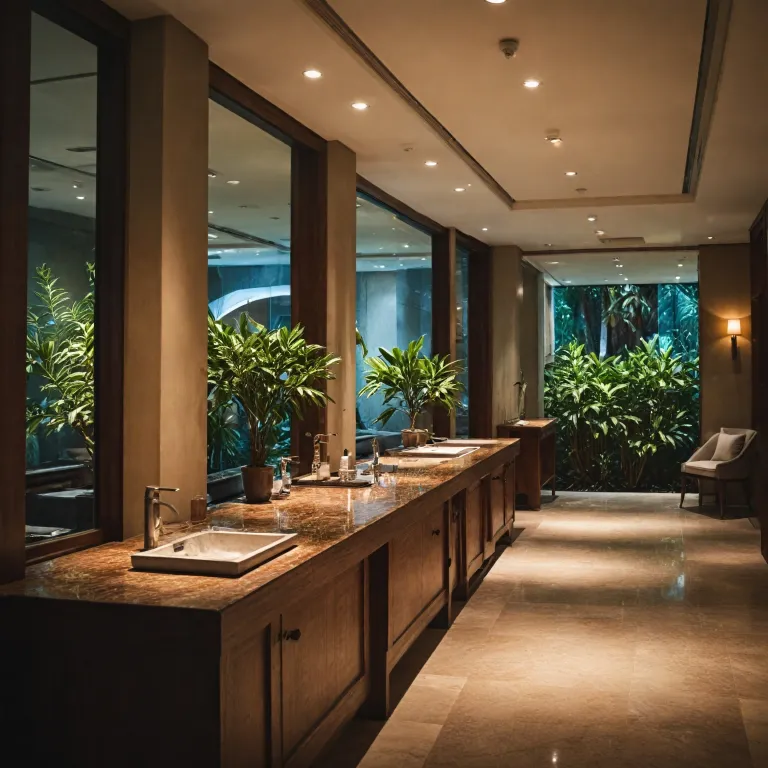
Innovative waste management in Singapore’s luxury hotels
Singapore’s luxury hotels are redefining sustainability by integrating advanced waste management practices into their daily operations. The city’s premier hotels, such as Grand Hyatt Singapore and Mandarin Oriental Singapore, have pioneered the use of food waste digesters and aerobic systems, converting significant amounts of food waste into greywater or organic fertilizers. These initiatives not only minimize landfill contributions but also support the broader sustainability goals set by the Singapore Tourism Board and Singapore Hotel Association. Guests seeking hotels in Singapore with sustainable waste management practices will find that these properties prioritize both comfort and environmental responsibility.
Energy efficiency and water conservation are central to the sustainability strategies of these hotels. For example, Pan Pacific Serviced Suites Orchard features filtered water taps and recycling bins in guest rooms, reducing single-use plastics and encouraging responsible consumption. The adoption of AI-powered food waste trackers at Fairmont Singapore and smart food waste tracking systems at Sofitel Singapore Sentosa Resort & Spa further exemplify the commitment to minimizing waste and optimizing resources. These efforts ensure that luxury hotels in Singapore remain at the forefront of sustainable hospitality, offering guests a refined experience that aligns with their values.
Dining at these hotels is also a testament to their green ethos. Restaurants within properties like PARKROYAL COLLECTION Marina Bay and Grand Hyatt Singapore emphasize plant based menus and source ingredients from local urban farms, reducing food miles and supporting the local economy. By integrating sustainable practices across food, water, and energy management, these hotels set new benchmarks for the industry. Travelers can enjoy world-class amenities while supporting hotels Singapore that are dedicated to sustainability and eco friendly operations.
Certifications and industry leadership in sustainable hotels Singapore
The pursuit of recognized sustainability certifications has become a defining feature of luxury hotels in Singapore. PARKROYAL COLLECTION Marina Bay stands out as the first hotel in Singapore to attain three prestigious certifications, including the BCA Green Mark Super Low Energy Certification. This achievement highlights the hotel’s commitment to energy efficient operations and sustainable waste management practices. Similarly, Pan Pacific Serviced Suites Orchard has earned the Global Sustainable Tourism Council (GSTC) Multi-Site Certification, reflecting its comprehensive approach to sustainability across water, waste, and energy management.
Hotels in Singapore with sustainable waste management practices are increasingly aligning with the Hotel Sustainability Roadmap, a strategic initiative launched by the Singapore Tourism Board and Singapore Hotel Association. The roadmap guides hotels toward achieving net-zero emissions by 2050 and encourages the adoption of innovative technologies for waste reduction. As a result, more than 60% of hotel room stock in Singapore is expected to achieve sustainability certification by 2025, reinforcing the city’s reputation as a leader in green hospitality.
For travelers seeking the best sustainable and luxury hotels, these certifications provide assurance of genuine commitment to environmental stewardship. The integration of eco friendly cleaning programs, reduction of single-use plastics, and the use of energy efficient air conditioning systems are now standard among top-tier properties. For more insights on sustainable travel and luxury hotel options, explore our comprehensive guide to Singapore’s green hotels for discerning guests.
Food waste reduction and plant based dining experiences
Food waste management is a critical aspect of sustainability in Singapore’s luxury hotels. Grand Hyatt Singapore was the first hotel in the city to install an in-house waste management plant, converting 1,000 kg of daily food waste into 300 kg of organic, pathogen-free fertilizers within 24 hours. Mandarin Oriental Singapore treats up to 20 tonnes of food waste monthly using an aerobic digester, transforming it into greywater that can be safely discharged. These innovative solutions exemplify how hotels Singapore are addressing the challenge of food waste at scale.
Restaurants within these hotels are embracing plant based menus and sourcing ingredients from urban farms, further reducing their environmental footprint. PARKROYAL COLLECTION Marina Bay and Grand Hyatt Singapore offer guests a variety of plant based options, catering to evolving preferences for sustainable dining. The integration of AI-powered food waste trackers at Fairmont Singapore and smart tracking systems at Sofitel Singapore Sentosa Resort & Spa has resulted in measurable reductions in food waste, with Sofitel achieving a 2% decrease through targeted interventions.
Guests are encouraged to participate in sustainability initiatives, such as supporting hotels that implement waste reduction programs and choosing plant based dining options. For travelers interested in exploring sustainable hotels in neighboring regions, our Kuala Lumpur eco hotel recommendations provide additional inspiration for responsible travel choices.
Water conservation and energy efficient innovations
Water conservation is a cornerstone of sustainable hotel operations in Singapore. Pan Pacific Serviced Suites Orchard has eliminated over 124,800 single-use plastic bottles annually by installing filtered water taps in guest rooms. Royal Plaza on Scotts has implemented water-saving measures alongside waste reduction programs, demonstrating a holistic approach to sustainability. These efforts contribute to the broader goal of reducing resource consumption while maintaining the highest standards of guest comfort.
Energy efficiency is equally prioritized, with hotels investing in advanced air conditioning systems and building management technologies. PARKROYAL COLLECTION Marina Bay’s achievement of the BCA Green Mark Super Low Energy Certification underscores its leadership in energy efficient design and operations. The use of energy efficient lighting, smart thermostats, and renewable energy sources further enhances the sustainability profile of these properties.
Travelers can support hotels Singapore that are committed to green practices by selecting properties with recognized certifications and participating in conservation programs.
Guest engagement and responsible travel choices
Engaging guests in sustainability initiatives is essential for the success of hotels in Singapore with sustainable waste management practices. Many hotels offer educational programs and in-room information to encourage responsible behavior, such as recycling, water conservation, and participation in food waste reduction efforts. Guests are invited to join guided tours of urban farms and learn about the hotel’s sustainability journey, fostering a deeper connection to the destination.
Hotels like Royal Plaza on Scotts and Crowne Plaza Changi Airport have introduced biodegradable packaging and reduced single-use plastics, making it easier for guests to make eco friendly choices during their stay. The integration of plant based options in restaurants and the promotion of local, sustainable food sources further empower guests to contribute to the hotel’s green goals. As the hospitality industry evolves, guest participation in sustainability programs becomes a key differentiator for luxury hotels Singapore.
By choosing hotels with robust sustainability credentials and actively engaging in conservation efforts, travelers can enjoy a premium experience while supporting the transition to a greener future. The best sustainable hotels in Singapore offer a seamless blend of luxury, comfort, and environmental responsibility, setting new standards for the global hospitality industry.
Industry partnerships and the future of sustainable hospitality
Collaboration between hotels, industry organizations, and government agencies is driving the advancement of sustainable hospitality in Singapore. The Singapore Tourism Board and Singapore Hotel Association have launched the Hotel Sustainability Roadmap, providing a clear framework for hotels to achieve net-zero emissions and adopt best practices in waste, water, and energy management. Partnerships with the Global Sustainable Tourism Council and other international bodies ensure that Singapore’s hotels meet rigorous global standards.
Innovation is at the heart of these efforts, with hotels adopting AI and smart technologies to monitor and reduce waste. The use of food waste digesters, smart tracking systems, and energy efficient infrastructure demonstrates the industry’s commitment to continuous improvement. As more hotels achieve sustainability certifications and implement eco friendly initiatives, Singapore solidifies its position as a leader in luxury green hospitality.
Travelers can expect to see ongoing enhancements in sustainable practices, from expanded plant based dining options to increased use of renewable energy. By supporting hotels Singapore that prioritize sustainability, guests play a vital role in shaping the future of responsible travel and hospitality.
Expert perspectives and guest benefits in sustainable hotels Singapore
Expert insights highlight the tangible benefits of sustainable waste management in luxury hotels. As stated in the dataset, "Hotels like Mandarin Oriental Singapore, Grand Hyatt Singapore, and Sofitel Singapore Sentosa Resort & Spa have implemented sustainable waste management practices." This commitment translates into enhanced guest satisfaction, improved environmental outcomes, and a strengthened industry reputation. The integration of advanced technologies and sustainability certifications ensures that guests enjoy a premium experience without compromising on eco friendly values.
Guests benefit from cleaner environments, healthier dining options, and the knowledge that their stay supports responsible hospitality. The adoption of plant based menus, urban farm partnerships, and energy efficient systems creates a unique and memorable experience for travelers. As the demand for sustainable hotels Singapore continues to grow, luxury properties are rising to the challenge, offering innovative solutions that set new benchmarks for the industry.
For travelers seeking the best sustainable and luxury hotels, the combination of world-class amenities and robust sustainability programs makes Singapore an ideal destination. By choosing hotels in Singapore with sustainable waste management practices, guests contribute to a more sustainable future for the hospitality sector.
Key statistics on sustainable hotels and waste management in Singapore
- 60% of hotel room stock in Singapore is expected to achieve sustainability certification by 2025.
- Sofitel Singapore Sentosa Resort & Spa reduced food waste by 2% through smart tracking systems.
- Pan Pacific Serviced Suites Orchard eliminated 124,800 single-use plastic bottles per year with filtered water taps.
Frequently asked questions about sustainable hotels in Singapore
What are some hotels in Singapore with sustainable waste management practices?
Hotels like Mandarin Oriental Singapore, Grand Hyatt Singapore, and Sofitel Singapore Sentosa Resort & Spa have implemented sustainable waste management practices.
What is the Hotel Sustainability Roadmap?
Launched by the Singapore Tourism Board and Singapore Hotel Association, it guides hotels towards sustainable practices with goals like achieving net-zero emissions by 2050.
How do hotels in Singapore reduce food waste?
Hotels use technologies like food waste digesters and AI-powered tracking systems to monitor and reduce food waste.