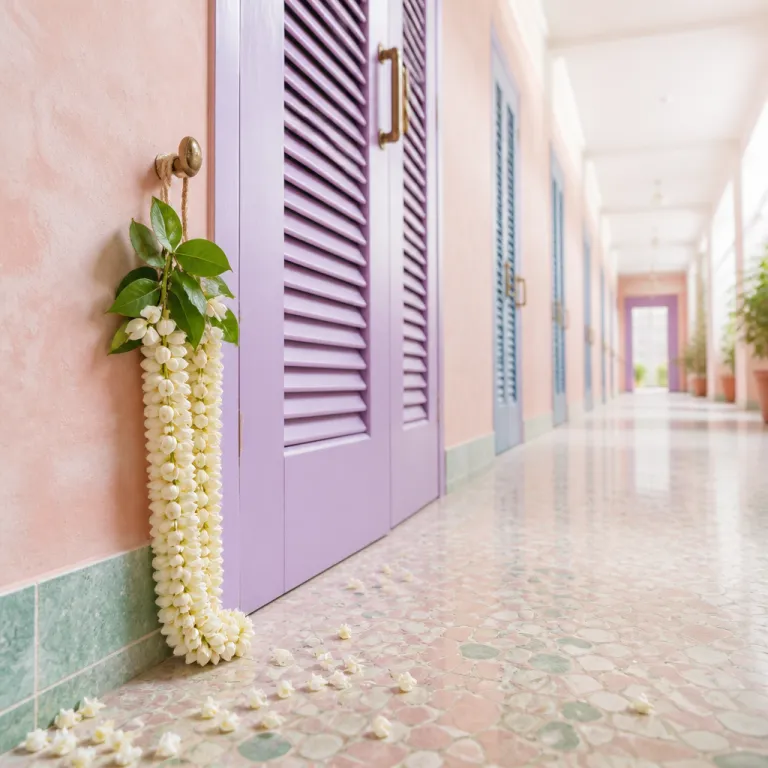
Why a Little India hotel in Singapore changes the staycation script
Choosing a Little India hotel in Singapore is less about ticking off attractions and more about stepping into a living neighbourhood that hums late into the night. For a traveler already based in Singapore, this part of the city offers a different rhythm from Marina Bay or Orchard, with heritage shophouses, incense smoke and jasmine garlands framing your walk back to the hotel. The result is a stay where the line between hotel and neighbourhood blurs in the best possible way.
Most heritage properties here sit within or just beside the official Little India Historic District conservation area, overseen by Singapore’s Urban Redevelopment Authority (URA), which means strict planning rules shape what a hotel in this district can and cannot do with its façade, corridors and room layouts. Instead of glass towers, you get low rise buildings along Serangoon Road, Jalan Besar and the Rochor fringe, where a hotel little more than three storeys high might hide a surprisingly refined lobby behind a traditional five foot way. This is where a heritage focused hotel Singapore experience feels grounded, because the architecture forces designers to respect the bones of the original Indian shophouses and retain features such as timber shutters and decorative plasterwork.
Three names often anchor the current collection of heritage focused hotels in Little India Singapore: The Serangoon House under Marriott’s Tribute Portfolio, Aqueen Heritage Hotel Little India and The Sultan Heritage Hotel on the Kampong Glam side. Each property leans into the same promise — “Provide comfortable stays. Immerse guests in local culture. Offer modern amenities.” — yet interprets it differently through interiors, service style and room mix. For Singapore guests planning a short holiday night close to home, these small hotels feel more like curated residences than anonymous rooms, with staff who tend to remember returning guests by name.
From a practical perspective, staying in a Little India hotel Singapore puts you within walking distance of at least one MRT station, whether that is Little India, Jalan Besar, Rochor or Farrer Park. That matters if you are a local guest planning to arrive after work, check in quickly and still make a late dinner reservation in Bugis or City Hall without worrying about parking. With Singapore downtown only a few stops away and the Singapore River precinct reachable in under fifteen minutes by train in typical off peak conditions, you are never trading convenience for character.
Price wise, the rate landscape here is more nuanced than in the CBD, and that is part of the appeal for a Singapore hotel staycation. You will find premium rooms at The Serangoon House that edge into luxury territory, while Aqueen Heritage Hotel Little India and similar boutique hotel addresses along Jalan Besar offer more accessible rates without sacrificing design. For many Singapore staycation regulars, the sweet spot is a property that includes free WiFi, flexible cancellation and a thoughtful breakfast, then lets the neighbourhood handle the rest of the experience.
The heritage conservation district: what your hotel can and cannot change
Little India sits inside one of Singapore’s most tightly protected conservation zones, and that has direct consequences for how a Little India hotel Singapore can operate. URA conservation guidelines require shophouse façades to be preserved, rooflines respected and corridor widths maintained, which is why your walk from the lift to the room might feel narrower and more intimate than in newer hotels downtown. Those jasmine scented corridors, often open to internal courtyards, are not a design gimmick but a by product of rules that favour natural ventilation and original proportions.
Because of these constraints, hoteliers here focus on interiors, service and programming rather than dramatic structural changes, creating a quiet arms race in how they handle details like lighting, linens and the front desk welcome. The Serangoon House leans into ornate, almost palatial rooms that contrast with the humble streetscape outside, while Aqueen Heritage Hotel Little India uses cleaner lines and lighter colours to echo the pastel shophouses around Jalan Besar and Rochor. The Sultan Heritage Hotel, slightly removed yet still close enough to walk to Little India, threads a line between kampong nostalgia and polished city inn Singapore comfort, with courtyards that double as calm reading corners.
Room sizes in these heritage hotel conversions can be compact, but the better properties compensate with thoughtful layouts, high ceilings and clever storage, which matters if you are planning a longer holiday stay rather than a single night. Many hotels on the Little India side now include free WiFi as standard, rain showers and quality mattresses, recognising that local guests expect premium comfort even in conserved shells. When you check into one of these hotels, you are effectively buying into a curated collection of design decisions shaped by both conservation law and contemporary hospitality expectations.
For travelers curious about how this compares with other heritage quarters, it is worth reading a detailed guide to sleeping in a shophouse in Chinatown, where similar rules apply but the street life feels very different. In Little India, the sensory intensity is higher, and that seeps into the hotel experience from the moment you step out to buy bottled water or a late night snack. The conservation framework ensures that even as new hotels Singapore wide chase glass and steel, this district keeps its low slung profile and human scale pavements.
From an operational standpoint, heritage constraints also influence amenities such as the pool, gym and on site dining, because there is rarely space for sprawling facilities. Some properties tuck a small plunge pool or rooftop lap pool into the back of the building, while others skip the pool entirely and focus on partnerships with nearby cafés and bars. For a Singapore based guest who already has access to larger pools in condominiums or clubs, this trade off often feels acceptable when weighed against the charm of waking up in a conserved shophouse.
Where to stay: from Serangoon Road to Jalan Besar and Rochor
When you zoom into the map, the phrase Little India hotel Singapore actually covers several micro neighbourhoods, each with a distinct feel and set of hotel options. Along Serangoon Road itself, you will find properties that plug straight into the main temple corridor, ideal if you want to step out and be in the thick of things within seconds. Move one or two blocks towards Jalan Besar or Rochor and the streets quieten, with hotels a little more shielded from traffic yet still close to the action.
The Serangoon House sits near the junction of Serangoon Road and the Little India MRT station, making it a strong choice if you prioritise direct train access and a short walk from check in to room. Aqueen Heritage Hotel Little India, by contrast, feels more embedded in the side streets, with a slightly more residential vibe that appeals to guests planning a slower holiday rhythm. On the fringe, Citadines Rochor (often searched as citadines rochor) offers serviced residence style rooms that work well for longer stays, especially if you want a kitchenette and more space to unpack.
Jalan Besar has quietly become one of the most interesting streets for a hotel Singapore stay, thanks to its mix of old hardware shops, cafés and small inns. Properties along Jalan Besar place you within a ten to fifteen minute walk of both Little India and Bugis, which is useful if you like to roam between neighbourhoods on foot. For a deeper look at how Bugis hotels frame a different kind of city break, you can read this guide to a refined Bugis hotel Singapore stay and compare the two areas.
On the more budget friendly end, The Sandpiper Hotel and its Singapore Sandpiper sibling properties cater to guests who value location over frills, often attracting younger travelers and solo explorers. These hotels on the Little India side usually offer compact rooms, free WiFi and basic front desk services, with rates that make them attractive for spontaneous one night stays. If you are a Singapore based guest planning a last minute holiday inn style weekend, they can be a practical base, though not a substitute for a full service inn Singapore property.
For those who prefer an international brand, Holiday Inn Singapore Little India (often searched as holiday inn or inn Singapore near Little India) sits closer to Farrer Park, technically just outside the core conservation grid but still within easy walking distance. This hotel option offers a more conventional high rise experience, with a proper pool, gym and larger room inventory, which some guests find reassuring. It is a reminder that the phrase hotels Little India can mean anything from a tight shophouse corridor to a modern tower, so your plan should start with deciding how much heritage you actually want.
The neighbourhood experience: temples at dawn, Tekka for breakfast, Mustafa at midnight
Staying in a Little India hotel Singapore is ultimately about what happens once you step outside, and this is where the district outperforms many other parts of the city. Wake early and walk towards Sri Veeramakaliamman Temple on Serangoon Road, where the first puja of the day fills the air with bells, chants and the scent of jasmine and camphor. It is a powerful way to start a staycation morning, especially when you know your room is just a few minutes’ walk away.
From there, Tekka Centre becomes your breakfast canteen, with prata, thosai and kopi pulling in both local residents and guests from nearby hotels on the Little India side. Unlike the polished buffets of a typical Singapore hotel, Tekka’s hawker stalls remind you that the best meal of the day often costs less than a coffee in the CBD. Many Singapore based travelers now plan their holiday mornings around hawker centres rather than hotel dining rooms, using the hotel mainly as a comfortable base with free WiFi, air conditioning and a good shower.
As the day unfolds, Little India Arcade and the streets around Campbell Lane and Dunlop Street offer textiles, jewellery and spice shops that feel a world away from the malls near City Hall or the Singapore River. Guests staying at hotel addresses along Jalan Besar or Rochor can easily weave these streets into a casual walking route, stopping for masala tea or a quick snack before heading back to the pool or room. One repeat guest described the routine as “temple, tea, nap, Tekka, Mustafa, repeat” — a simple loop that captures the neighbourhood’s pull.
Nightfall shifts the energy again, with Race Course Road restaurants firing up tandoors and Mustafa Centre glowing like a fluorescent beacon that never sleeps. Many Singapore staycation regulars make a ritual of a late night Mustafa run, picking up snacks, electronics or luggage before strolling back to their hotel under strings of fairy lights. It is a very different kind of holiday night compared with Singapore downtown, where luxury malls close early and the streets empty out.
What ties all of this together is the sense that your hotel is stitched into a living neighbourhood rather than perched above it, which is why corridors sometimes carry faint traces of incense or curry from nearby kitchens. For some guests, that is precisely the point of choosing a Little India hotel Singapore over a more sterile option near Bugis or City Hall. If you want a stay where the front desk staff can point you to the best late night biryani instead of just the nearest mall, this is your district.
Walking radius and connectivity: what is really within 15 minutes
One of the biggest advantages of booking a Little India hotel Singapore as a local traveler is how much you can reach on foot within fifteen minutes. From most hotels on the Little India side, you can comfortably walk to Tekka Centre, Sri Veeramakaliamman Temple, Little India Arcade, Mustafa Centre and the cafés of Jalan Besar without breaking a sweat. That compact radius makes it easy to treat your stay as a series of short walks punctuated by air conditioned breaks back in your room.
Transport connectivity is equally strong, with multiple MRT stations forming a loose ring around the district, including Little India, Jalan Besar, Rochor, Farrer Park and Bugis. This means a hotel Singapore guest can check out in the late morning, hop on the train and be at City Hall, the Singapore River or Singapore downtown in under twenty minutes in normal traffic free conditions. For those who prefer to stay plugged into the rest of Singapore even during a staycation, this network of MRT station options is a major selling point.
Compared with an Orchard Road hotel, where your fifteen minute walking radius is dominated by malls and air conditioned underpasses, Little India offers a more textured streetscape of temples, markets and small inns. You might pass a Sandpiper style property, a family run inn Singapore or a more polished heritage hotel within the same block, each catering to different types of guests. This diversity keeps the area feeling lived in rather than curated solely for tourists, which many Singapore based travelers now actively seek.
For those who like to swim, it is worth noting that not every Little India hotel Singapore has a full sized pool, due to heritage constraints and limited footprints. Some properties offer a compact rooftop pool or plunge pool, while others skip the pool entirely and focus on room comfort, free WiFi and flexible cancellation policies. If a pool is non negotiable for your holiday plan, check the hotel details carefully before you book, rather than assuming every property matches a resort style inn Singapore standard.
When comparing options, use honest, experience led reviews rather than marketing copy, especially if you care about noise levels, corridor layouts or the quality of the front desk team. A useful reference is this guide on what frequent guests actually look for in a Singapore hotel review, which breaks down the details that matter once the novelty wears off. For a Little India stay, that often means paying attention to how the hotel handles late night check ins, luggage storage and early morning departures to the MRT station.
Rates, policies and the gentrification question
As Little India’s profile has risen, so have room rates, and that raises fair questions about who the neighbourhood now serves. A Little India hotel Singapore that once targeted backpackers might now pitch itself to design conscious Singapore guests looking for a quick holiday night, with rates creeping closer to those in Bugis or City Hall. The upside is better linens, stronger air conditioning and more reliable free WiFi, but the trade off can be a slow shift in the area’s social mix.
From a booking perspective, most hotels on the Little India side now offer online reservations with clear rate breakdowns, often including options with free cancellation up to a certain date. For a Singapore based traveler juggling work schedules and family commitments, that flexibility is crucial, because it allows you to plan a staycation without locking in every detail weeks in advance. Many hotel operators here also support walk in reservations, though the best rooms and rates usually go to those who book ahead.
Gentrification is visible in the café lined stretches of Jalan Besar and the polished lobbies of newer properties, yet the core of Little India remains stubbornly itself, anchored by temples, Tekka Centre and long running provision shops. Heritage focused hotels such as The Serangoon House, Aqueen Heritage Hotel Little India and The Sultan Heritage Hotel position themselves as partners in preservation, aligning with goals to “Enhance guest experience. Promote local culture. Support sustainable tourism.” rather than erase what came before. The reality on the ground is more complex, but for now, the balance between new hotels and old trades still feels more symbiotic than extractive.
For guests, the most responsible approach is to treat your Little India hotel Singapore as a base, not a bubble, spending meaningfully in local businesses and respecting the rhythms of prayer times and market hours. That might mean choosing a smaller heritage hotel with a modest lobby but strong neighbourhood ties over a flashier option that feels disconnected from the streets outside. It also means recognising that while Singapore’s free market forces drive investment, planning rules and community voices still shape what can and cannot change.
Ultimately, the question is not whether you should stay in Little India, but how you do it, and which hotel Singapore option best aligns with the kind of guest you want to be. If you value corridors that smell faintly of jasmine, a front desk team that knows where to find late night thosai and a walking route that passes shrines instead of shop windows, then this district will reward your choice. For many Singapore staycation veterans, that combination has quietly made Little India their default answer whenever the urge for a quick holiday inn style escape hits.
Key figures for heritage stays in Little India
- There are currently three widely cited heritage focused hotels in and around Little India — The Serangoon House, Aqueen Heritage Hotel Little India and The Sultan Heritage Hotel — which underscores how selective conservation rules keep the hotel collection relatively small.
- Standard check in times across these heritage properties cluster around 15:00, with check out typically at 12:00, in line with common Singapore hotel practice and giving guests a practical window to enjoy both a first evening and a final lunch in the neighbourhood.
- All three highlighted heritage hotels in and around Little India offer modern amenities such as Wi Fi, air conditioning and on site dining, reflecting a clear expectation that historic buildings must still meet contemporary comfort standards.
- Each of the featured properties sits within walking distance of at least one MRT station, which means a typical guest can reach City Hall or the Singapore River precinct in under twenty minutes by train, based on current MRT journey planners.
Frequently asked questions about staying in Little India’s heritage hotels
What amenities do heritage hotels in Little India usually offer ?
Heritage focused hotels in Little India typically provide modern essentials such as Wi Fi, strong air conditioning and comfortable bedding, despite operating within conserved shophouse shells. Many also include on site dining or at least a café style breakfast, though serious food lovers often head to Tekka Centre or nearby kopitiams instead. Some properties add small pools or rooftop terraces, but space constraints mean facilities are usually more compact than in large downtown hotels.
Are Little India’s heritage hotels suitable for families ?
Most heritage hotels in and around Little India are family friendly, offering a mix of room types that can accommodate parents with children. Some hotel options provide interconnecting rooms or larger suites, while serviced residences such as Citadines Rochor appeal to families who want kitchenettes and laundry facilities. Because corridors and common areas can be narrower than in modern towers, it is worth checking room sizes and bed configurations carefully before you book.
How close are Little India hotels to public transport ?
Hotels in the Little India area sit within easy walking distance of several MRT stations, including Little India, Jalan Besar, Rochor, Farrer Park and Bugis. This makes it straightforward to reach City Hall, the Singapore River, Singapore downtown and even Changi Airport without relying on taxis or private cars. For Singapore based guests, that connectivity is a major reason to choose a Little India hotel Singapore over more isolated resort style properties.
Should I book my Little India stay in advance or rely on walk in rates ?
While walk in reservations are possible at many hotels on the Little India side, booking in advance usually secures better rates and a wider choice of room types. Advance bookings also make it easier to lock in flexible policies such as free cancellation, which matter if your work schedule or family plans might change. For peak holiday periods or long weekends, planning ahead is strongly recommended, as the most characterful hotel options tend to fill quickly.
How can I make my Little India stay more sustainable and respectful ?
To keep your impact positive, choose a heritage focused hotel Singapore option that engages with local culture rather than isolates you from it. Spend at neighbourhood businesses, dress modestly when visiting temples and be mindful of noise when returning to your hotel late at night. Supporting properties that align with goals to “Enhance guest experience. Promote local culture. Support sustainable tourism.” helps ensure that Little India’s living heritage remains central to the area’s future.