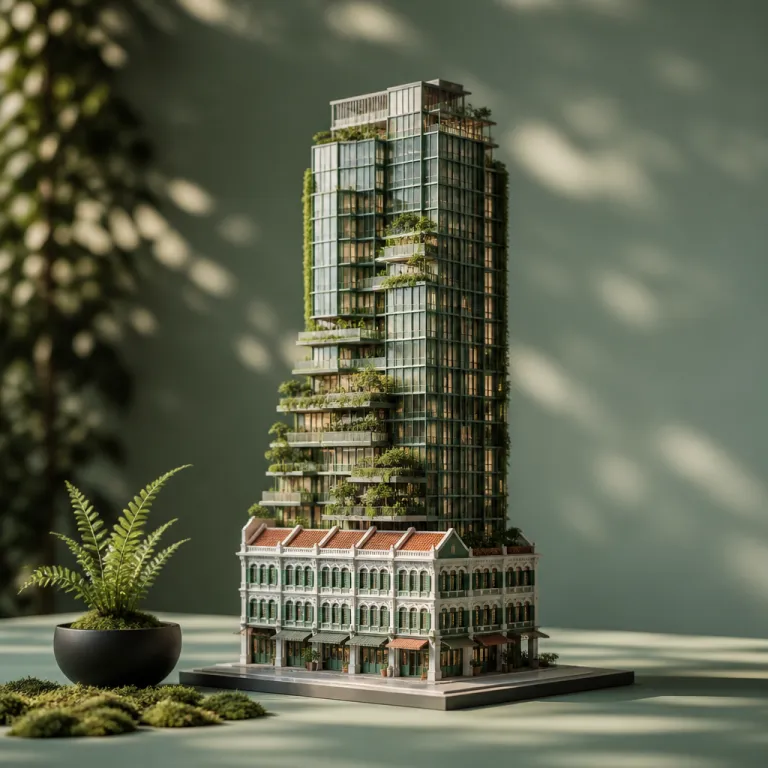
Why singapore hotel architecture design matters when you already live here
Staying in a hotel in Singapore when you already call the city home can feel indulgent, yet the right property turns the familiar skyline into a study in hospitality architecture. In this compact city-state, every hotel building is forced to negotiate between land value, heritage rules and the need for generous rooms, so contemporary singapore hotel architecture design becomes a quiet referendum on what kind of urban life residents actually want. When you check into a thoughtfully planned hotel Singapore address, you are really checking into a three-dimensional essay on architecture Singapore, interior design and how public spaces can make dense towers feel humane.
For business leisure travelers extending a trip, the question is not just which hotels have a good pool or the top rooftop bar, but which design architecture choices will change how you read the city. A carefully framed view of the Singapore River from your room, or a lobby that opens into lush greenery instead of a car drop-off, can reset your sense of the city in a single weekend. When you compare hotels across Orchard Road, Cuscaden Road and the heritage core, you start to see how different architects choreograph inside and outside spaces, how they carve out event spaces, and how each room layout either respects or ignores the sky beyond the glass.
According to Singapore’s Urban Redevelopment Authority (URA), more than 6,500 shophouses have been conserved across the island, and many now anchor hotel projects that stitch old and new architecture together. This adaptive reuse is not nostalgia; it is a strategy that lets hospitality architecture preserve street-level character while stacking contemporary rooms above, often around a central courtyard or under restored tree canopies. The result is a network of hotels where the underlying singapore hotel architecture design philosophy is legible from the pavement, inviting even locals to slow down and give the façade a second look.
From post office to grande dame: colonial conversions along the singapore river
Few places show the evolution of architecture Singapore as clearly as the curve of the Singapore River, where former civic buildings now operate as some of the city’s most storied hotels. The Fullerton Hotel Singapore occupies the old General Post Office building, completed in 1928 and converted into a 400-room luxury hotel in 2001, its neoclassical architecture design reworked so that once utilitarian mail halls now function as soaring public spaces, while rooms are tucked into the upper levels with carefully preserved details. Raffles Hotel, whose main building dates to 1899 and reopened after a major restoration in 2019, Capitol Kempinski in the restored Capitol Building and Stamford House, and other hotel Singapore icons in the civic district follow a similar pattern, proving that adaptive reuse can deliver both heritage gravitas and modern hospitality architecture standards.
These conversions matter for a traveler based in Singapore because they change how you move through the city on a staycation. Instead of a generic lobby, you check into layered narratives: colonnaded corridors, verandahs that once faced the sea, and interior design schemes that reference Southeast Asian textiles rather than anonymous international palettes. The architecture design of these hotels often prioritises wide corridors and high ceilings over maximising room count, so even standard rooms feel more like chambers in a civic building than compressed city hotel cells.
Shophouses play a role here too, because many riverfront hotels integrate conserved blocks into larger estates. A typical shophouse combines a commercial ground floor with a residence above, and in Singapore these buildings are significant because they represent the city-state’s architectural and cultural heritage. Modern hotels along the river preserve historic facades and arcades while inserting contemporary rooms and public spaces behind, so that when you walk from the promenade into a lobby that threads through conserved passages, you experience singapore hotel architecture design as a continuous urban sequence rather than a sealed-off resort.
Tropical modernism in the sky: towers, tree canopies and rooftop pools
Move away from the river and the story of singapore hotel architecture design shifts vertically, especially in the hands of architects who treat towers as stacked landscapes. PARKROYAL COLLECTION Pickering, designed by WOHA and opened in 2013 with around 367 rooms, is the clearest example of hospitality architecture that turns a hotel building into a series of sky gardens, where tree canopies and lush greenery wrap the façade and blur the line between public spaces and private rooms. From the street, the sculpted sky terraces and layered pool decks make the hotel look like a hanging estate Singapore, while inside, corridors open to planted voids that cool the air and frame the city.
On Orchard Road, Pan Pacific Orchard continues this tropical modernism with its stacked pavilions and open-air event spaces, each level conceived as a different landscape suspended above the city. Opened in 2023 with more than 340 keys, its rooftop and mid-level pools are not just amenities to check off a list, but part of a broader design architecture strategy that pulls daylight and breezes deep inside the building, reducing reliance on mechanical cooling. For a Singapore-based traveler, booking a room in these hotels is a way to test how far architecture Singapore has come in adapting to Southeast Asia’s climate without retreating into sealed glass boxes.
Further north, Mandai Rainforest Resort pushes biophilic hospitality architecture into the wildlife reserve, with pod-shaped treehouses elevated among real tree canopies rather than ornamental planters. The project, explored in depth in this analysis of the future of hotel design in the Mandai Rainforest Resort, shows how singapore hotel architecture design can extend beyond the dense city-state core into more sensitive landscapes. For business leisure guests used to towers near Changi Airport or the CBD, a weekend here reframes what a hotel Singapore stay can be in Southeast Asia, swapping skyline views for forest skywalks and quiet, low-impact rooms.
Shophouse seams and design studios: where heritage meets new build precision
Singapore’s most interesting hotels often sit at the seam between conserved shophouses and new structures, where architects and interior designers negotiate scale, light and circulation. Around Chinatown and Duxton, adaptive reuse has turned rows of shophouses into intimate hotels, with firms such as ADX Architects working on projects like Desker Shophouse Hotel and Studio Carter shaping the interiors of Mondrian Singapore Duxton, which opened in 2023 with just over 300 rooms. These properties show how carefully resolved singapore hotel architecture design can respect the rhythm of two- or three-storey streets while inserting contemporary rooms, pools and event spaces behind restored facades.
Inside, the best examples avoid pastiche and instead use interior design to reference Southeast Asian craft in a modern way, whether through timber screens, terrazzo floors or custom lighting. DP Architects and RSP, both active in hotel Singapore projects such as Mondrian Singapore Duxton and Mercure ICON Singapore City Centre, understand that public spaces in these hybrids must work hard, acting as living rooms for both guests and neighbours. When you check into a room above a five-foot way, you feel the city just outside the shutters, yet the building envelope and design architecture keep noise and heat at bay.
For a Singapore-based traveler, these shophouse-linked hotels offer a different kind of staycation from the big towers near Orchard Road or Cuscaden Road. You trade sweeping sky views for close-up street life, waking to the sound of deliveries and the smell of breakfast from kopitiams, while still enjoying well-considered rooms and small rooftop pools tucked between party walls. This is where singapore hotel architecture design becomes most intimate, turning estate Singapore fragments into stitched-together spaces that reward a second glance from the street, especially at night when interior light reveals the depth behind conserved facades.
From moshe safdie to the next wave: supertalls, airports and future stays
No discussion of singapore hotel architecture design is complete without addressing the skyline-defining work of Moshe Safdie and his peers. Safdie’s Marina Bay Sands, completed in 2010 with three 55-storey towers and more than 2,500 rooms, is often simply associated with its rooftop infinity pool, yet it is in fact a complex piece of hospitality architecture where three towers support a sky park that functions as both private amenity and quasi-public lookout. The way this building frames the bay, connects to the city via promenades and integrates event spaces, retail and hotel rooms has made it a reference point for architects across Southeast Asia.
Safdie’s influence also extends to Changi Airport, where the Jewel complex, opened in 2019, demonstrates how architecture Singapore can turn transit infrastructure into a destination with dramatic public spaces. While not a hotel itself, Jewel’s indoor forest, 40-metre waterfall and ring of hospitality venues have raised expectations for how interior design and design architecture can soften large-scale buildings in the city-state. When you later check into a hotel Singapore property that offers a modest central courtyard or a small cluster of tree canopies, you can trace a line back to these ambitious experiments in blending nature and structure.
The next wave of hotels, including upcoming openings such as Frasers House and Varel Singapore, will be judged by how they balance heritage sensitivity with contemporary needs for flexible rooms and generous public spaces. For travelers based in Singapore, the question will be whether these new hotels simply add more glass towers to the city, or whether their architecture design contributes meaningfully to estate Singapore by improving street-level experience and offering thoughtful event spaces. As you plan your next stay, especially around Orchard Road or Cuscaden Road, it is worth checking not only the room size and pool photos, but also how the architects talk about light, ventilation and the relationship between inside and outside.
How to read a hotel from the street: a checklist for singapore based travelers
When you stand on a Singapore pavement debating whether a hotel deserves your next staycation, start by looking at how the building meets the ground. Are there genuinely accessible public spaces, such as shaded walkways, open lobbies or a central courtyard, or does the façade retreat behind driveways and glass, cutting the hotel off from the city. In a dense city-state, the best singapore hotel architecture design treats the first two storeys as a civic contribution, not just a security buffer.
Next, lift your gaze to the mid levels and rooftop, where you can often read how seriously the architects have taken climate and context. Generous balconies, planted terraces and visible tree canopies suggest that the design architecture team has considered shade, cross-ventilation and the psychological value of greenery, rather than relying solely on sealed rooms and air conditioning. Hotels that integrate pools and event spaces into these elevated landscapes, rather than hiding them in basements, tend to offer more memorable stays and better connections to the sky and city.
Finally, think about neighbourhood fit, especially in established areas such as Orchard Road, Cuscaden Road and the Singapore River precinct. A well-resolved hotel Singapore project will echo surrounding building heights, materials and rhythms, even when it introduces contemporary architecture Singapore language or supertall towers into the mix. For curated options that already pass many of these tests, you can explore our guide to elegant hotels near Orchard Road for social events and parties, then apply the same lens to emerging properties across Southeast Asia when you travel beyond home.
FAQ
What makes singapore hotel architecture design different from other cities in Southeast Asia ?
Singapore combines extreme land scarcity with strong heritage conservation, so architects must fit hotels into tight plots while respecting conserved shophouses and civic buildings. This tension produces inventive towers with sky gardens, central courtyards and layered public spaces that respond to the tropical climate. The result is a hospitality architecture language that feels denser and more vertical than many Southeast Asian cities, yet still anchored in street-level life.
Why are shophouses so important in Singapore’s hotel scene ?
Shophouses are significant because they represent Singapore’s architectural and cultural heritage, and more than 6,500 have been conserved across the island. Many hotels now occupy or adjoin these structures, preserving facades while inserting modern rooms, pools and event spaces behind. This adaptive reuse lets travelers experience historic streetscapes with contemporary comfort, especially in districts such as Chinatown, Duxton and along the Singapore River.
How can I quickly assess if a hotel’s architecture will suit my staycation style ?
Start by checking how the building meets the street; open lobbies, shaded walkways and visible public spaces usually signal guest-friendly design. Look at photos of the rooftop and mid-level terraces to see whether greenery, pools and event spaces are integrated into the architecture or treated as afterthoughts. Finally, review room layouts and window sizes, because generous natural light and well-proportioned rooms often indicate that architects have prioritised comfort over maximum key count.
Are airport and business district hotels in Singapore interesting from an architectural perspective ?
Many hotels near Changi Airport and in the CBD are conventional towers, but a growing number engage more thoughtfully with architecture Singapore. Projects connected to large complexes such as Jewel at Changi or integrated developments around Marina Bay often feature stronger interior design, better public spaces and more considered façades. For business leisure travelers, these properties can turn a routine work trip extension into a chance to experience singapore hotel architecture design without straying far from meetings.
Will future Singapore hotels focus more on sustainability and greenery ?
Current projects such as Mandai Rainforest Resort, PARKROYAL COLLECTION Pickering and Pan Pacific Orchard suggest that biophilic design and energy-conscious architecture are becoming standard expectations. Developers and architects increasingly use tree canopies, sky terraces and natural ventilation strategies to reduce environmental impact while enhancing guest experience. As new hotels open across estate Singapore, travelers can expect more buildings that integrate lush greenery and climate-responsive design into both rooms and shared spaces.