Eco conscious luxury in Singapore hotels for local travelers
For a traveler based in Singapore, choosing a singapore hotel now often means weighing comfort against environmental impact. Many eco friendly properties show that refined service, thoughtful design, and strong sustainability can coexist seamlessly. This shift is reshaping how singapore hotels present luxury, especially around energy and water stewardship.
Leading eco-friendly hotels Singapore energy water conservation strategies focus on tangible results rather than marketing slogans. Grand Hyatt Singapore, for example, runs on fully renewable electricity and has cut water use significantly through efficient dishwashing technology. These steps reduce each guest’s carbon footprint while maintaining the high service standards expected from premium hotels in singapore.
For travelers comparing hotels Singapore wide, the absence of a clear green category on booking sites can be frustrating. Yet properties like Sofitel Singapore Sentosa, The Fullerton Hotel Singapore, and Capri by Fraser, China Square quietly embed sustainable practices into daily operations. Their commitment sustainable approaches range from LED lighting and high efficiency chillers to water efficient fittings that protect scarce water resources.
As a local guest, you can use eco friendly criteria to filter your shortlist of hotels. Look for explicit references to energy efficiency, rainwater harvesting, and plastic waste reduction on each singapore hotel website. When eco-friendly hotels Singapore energy water conservation initiatives are clearly explained, it becomes easier to align your stay with your own environmental values.
Energy efficiency and smart technology in premium Singapore hotels
Energy is often the largest operational cost for luxury hotels in Singapore, especially in dense districts like marina bay and orchard. Forward looking properties are investing in high efficiency chillers, LED lighting, and motion sensors that dim or switch off lights when rooms are empty. These sustainable practices reduce waste while preserving the calm, polished ambience guests expect.
At W Singapore – Sentosa Cove, energy savings from LED lighting alone reach notable double digit percentages, illustrating how design choices influence sustainability. Capri by Fraser, China Square has earned advanced green certifications by integrating low energy systems into its architecture. Such eco friendly engineering reduces the carbon footprint of both the hotel and its guests, without compromising comfort.
Smart room controls are becoming standard in many singapore hotels, from marina bay to singapore sentosa. Motion sensors manage air conditioning and lighting, ensuring energy is not wasted when guests are out exploring. When multiplied across hundreds of rooms in large hotels Singapore wide, these steps significantly lower overall energy consumption.
Some properties go further by purchasing renewable power or installing solar panels, reinforcing their commitment sustainable operations. Grand Hyatt Singapore’s shift to renewable electricity is a strong example of environmental leadership in an urban setting. For travelers comparing eco-friendly hotels Singapore energy water conservation performance, such initiatives signal a serious long term commitment.
Water conservation, rainwater harvesting, and the luxury guest experience
In a tropical city like Singapore, water may feel abundant, yet responsible hotels treat it as a precious resource. Many premium hotels Singapore wide now install water efficient fittings, dual flush systems, and low flow showers. These measures protect water supplies while still delivering the pressure and comfort guests expect from a high end singapore hotel.
Rainwater harvesting is emerging as a visible symbol of eco friendly design in several new or renovated properties. Resorts inspired by nature, such as rainforest themed developments, often channel rainwater into irrigation or cooling systems. This reduces reliance on treated water, supports lush landscaping, and demonstrates how sustainable practices can enhance aesthetics.
Hotels along marina bay and in areas like sentosa cove face particular scrutiny because of their waterfront locations. By combining rainwater harvesting with careful wastewater management, they help protect surrounding marine ecosystems from unnecessary pollution. These steps are especially important for any resort that promotes an infinity pool overlooking the bay sands skyline or singapore sentosa coastline.
For guests evaluating eco-friendly hotels Singapore energy water conservation performance, in room information is increasingly transparent. Clear signage explains how water efficient fittings work and invites participation in towel and linen reuse programs. When hotels Singapore wide communicate these efforts well, travelers feel part of a shared environmental commitment rather than inconvenienced.
Reducing food waste and plastic waste without sacrificing indulgence
Luxury travel in Singapore is closely tied to food, from orchard dining rooms to marina bay rooftops. Yet the environmental cost of buffets and room service can be high if food waste is ignored. Leading hotels Singapore wide now track food waste carefully, redesign menus, and partner with recyclers or upcyclers.
W Singapore – Sentosa Cove stands out by sourcing a meaningful share of eggs and fish locally and supporting food waste upcycling. This approach reduces the carbon footprint associated with long distance transport while keeping menus vibrant and seasonal. For a traveler who values eco friendly choices, such sourcing policies show a deep commitment sustainable gastronomy.
Plastic waste is another critical focus for eco-friendly hotels Singapore energy water conservation strategies. Properties like voco Orchard Singapore have replaced single use bottled water with filtered taps, eliminating hundreds of thousands of bottles annually. Similar initiatives appear in resort settings at sentosa cove and urban towers near bay sands, where refillable amenities are becoming standard.
Guests can support these sustainable practices by choosing water from dispensers, avoiding unnecessary packaging, and finishing plated portions. When singapore hotels communicate how small guest decisions reduce waste, participation rates rise noticeably. Over time, these collective steps help hotels Singapore wide align indulgent dining with responsible environmental stewardship.
Green architecture, urban resorts, and the role of parkroyal and pan pacific
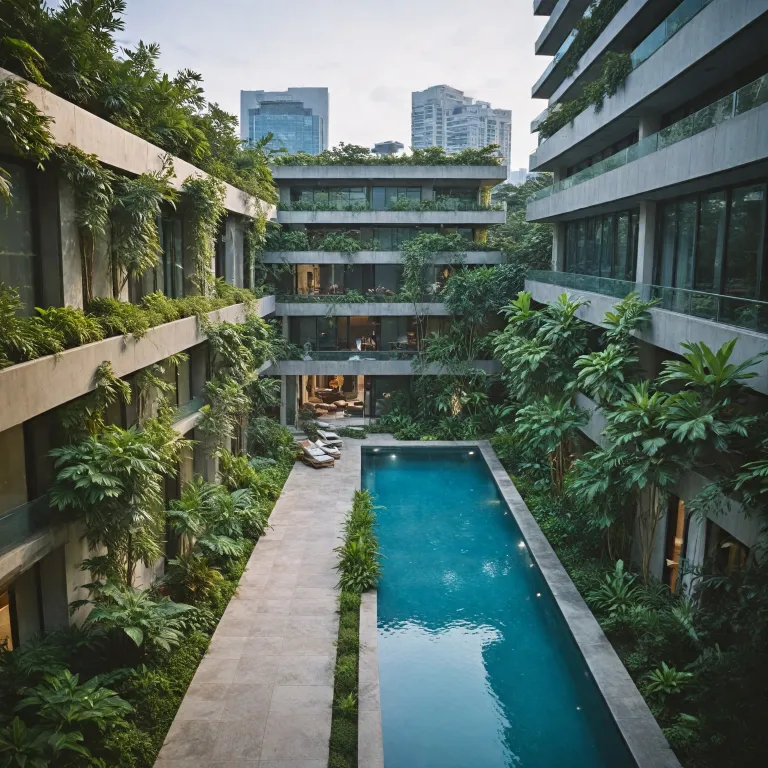
Architecture plays a decisive role in how eco friendly hotels manage energy, water, and waste. In Singapore, vertical greenery, natural ventilation, and shaded facades are now hallmarks of sustainable design. These features reduce heat gain, support energy efficiency, and create calming retreats above busy streets.
PARKROYAL COLLECTION Pickering, often described as a hotel in a garden, exemplifies this approach with layered sky terraces and integrated greenery. Its parent group, Pan Pacific Hotels Group, extends similar sustainable practices to properties like PARKROYAL on Beach Road. Together, parkroyal and pan pacific brands demonstrate how large hotel portfolios can scale environmental innovation across multiple singapore hotels.
Along orchard, pacific orchard and other premium addresses are rethinking what a city resort can be. By combining shaded outdoor spaces, efficient glazing, and advanced cooling systems, they reduce energy demand significantly. These design choices support eco-friendly hotels Singapore energy water conservation goals while maintaining a refined urban atmosphere.
On singapore sentosa, resorts blend coastal views with green roofs, rainwater harvesting, and careful landscaping to protect biodiversity. Whether you choose a marina bay tower, an orchard retreat, or a sentosa cove resort, architecture now signals each property’s environmental priorities. For a traveler based in Singapore, reading about these features offers a practical way to assess commitment sustainable design before booking.
How Singapore based travelers can navigate eco friendly booking choices
One deep challenge for a traveler based in Singapore is that many booking platforms lack a clear sustainability filter. This makes it harder to compare eco-friendly hotels Singapore energy water conservation performance across similar price points. Instead, you often need to open individual listings or hotel websites to evaluate environmental claims.
Start by scanning for recognised certifications such as Green Globe, GSTC, or BCA Green Mark on each singapore hotel page. These labels indicate that independent auditors have reviewed energy efficiency, water management, and waste reduction. When hotels Singapore wide display such credentials prominently, it signals a serious and ongoing environmental commitment.
Next, look for concrete details about sustainable practices rather than vague promises. References to motion sensors, rainwater harvesting, plastic waste reduction, and food waste tracking show operational depth. If a property near marina bay or orchard explains how it is reducing environmental impact, you can compare those steps with resorts at sentosa cove or bay sands.
Finally, consider how your own behaviour can support eco friendly operations once you arrive. Opt in to linen reuse, use in room water dispensers, and separate recyclables where facilities exist. By aligning your choices with the hotel’s commitment sustainable operations, you help reinforce the business case for greener luxury across all singapore hotels.
Key sustainability statistics from leading Singapore hotels
- Energy savings from LED lighting at W Singapore – Sentosa Cove reach 39 %, illustrating the impact of efficient fixtures on overall energy consumption.
- Annual reduction in plastic bottles at voco Orchard Singapore is approximately 285000 bottles, thanks to filtered water taps replacing single use bottled water.
- Water usage reduction at Grand Hyatt Singapore stands at 30 %, achieved through efficient dishwashing systems and broader water conservation measures.
Essential questions for eco minded hotel guests in Singapore
What certifications indicate a hotel's commitment to sustainability?
Certifications such as Green Globe, GSTC, and BCA Green Mark indicate a hotel's commitment to sustainability.
How do hotels in Singapore conserve water?
Hotels conserve water by installing water-efficient fittings, rainwater harvesting systems, and encouraging guests to reuse towels and linens.
What are common energy-saving measures in eco-friendly hotels?
Common measures include using LED lighting, high-efficiency chillers, and integrating renewable energy sources like solar panels.